ProfessorWes
Hawkeye
"Wanna get away?" as the commercials for a certain airline ask. Well . . .


I wasn't there, so I can't know what came together to cause this.
At one time in my life, I was involved with very large groups of helicopters. On a fixed base tarmac, each helicopter had its own mooring location, with the ground plainly marked, or a mooring marker to create ample clearance between birds. Even then, the crew chief or other ground personnel would guide the bird into position.
From only what I saw in the video, the offending helicopter came in pretty hot for the real estate conditions available. The guy was awfully sure of himself.

In my world, it would have been an OH-58 pilot. Exactly what these birds were.Probably a former Apache pilot.


Often Wrong but Never in Doubt!!!I wasn't there, so I can't know what came together to cause this.
At one time in my life, I was involved with very large groups of helicopters. On a fixed base tarmac, each helicopter had its own mooring location, with the ground plainly marked, or a mooring marker to create ample clearance between birds. Even then, the crew chief or other ground personnel would guide the bird into position.
From only what I saw in the video, the offending helicopter came in pretty hot for the real estate conditions available. The guy was awfully sure of himself.


A Kiowa pilot was my second guess.In my world, it would have been an OH-58 pilot. Exactly what these birds were.

My best friend was stationed at Ft Campbell with the 101st airborne “Death From Above”. He went to Okinawa and from there to RVN with 5th group SF. Two tours (64-66) later he came home. He made it to 2017 79 years- sure do miss you Ed Cole!Ouch!!!! My friend Shep was a member of the 101st Airborne stationed at Fort Campbell Kentucky in the early 1960's. A Chinook helicopter lost a rotor in midair and crashed. The falling rotor barely missed him and several of his squad members.

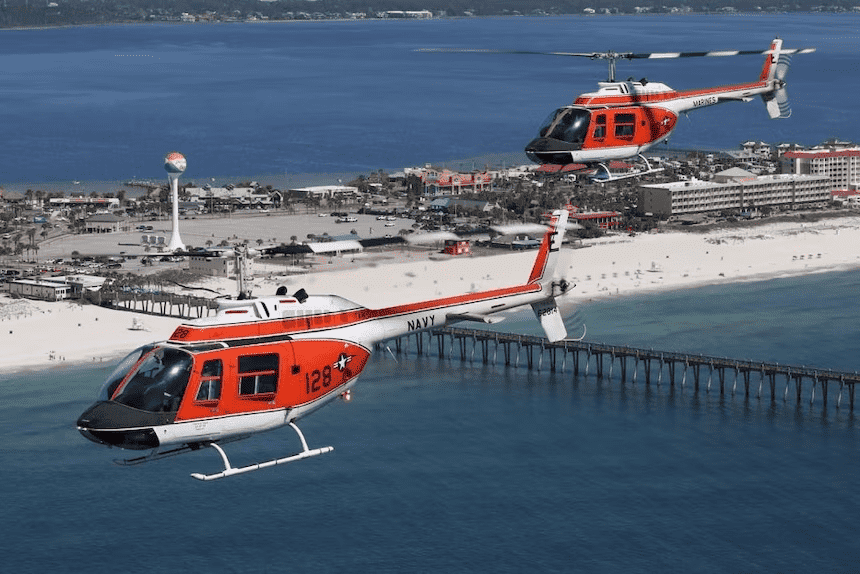
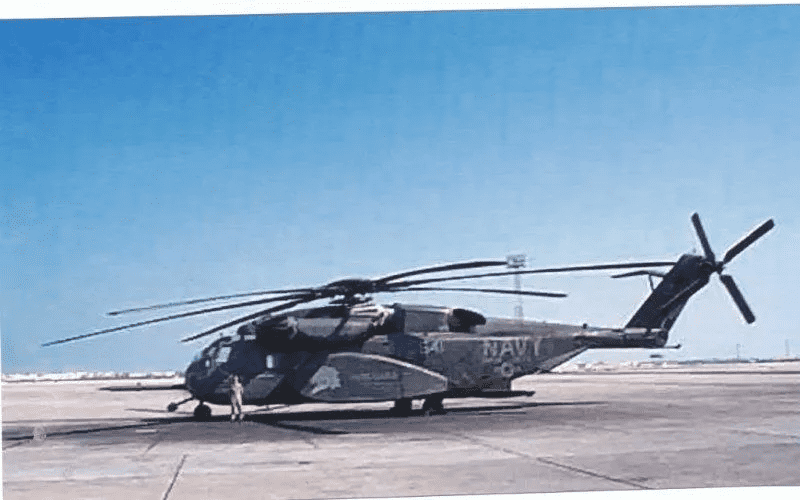
Well in Navy speak, it is the TH-57 Sea Ranger which is used to train the World's Best Rotary-Wing AviatorsThe Bell Jet Ranger was basically the same military helicopter that was called; OH-58 Kiowa. Flown a few of them myself.


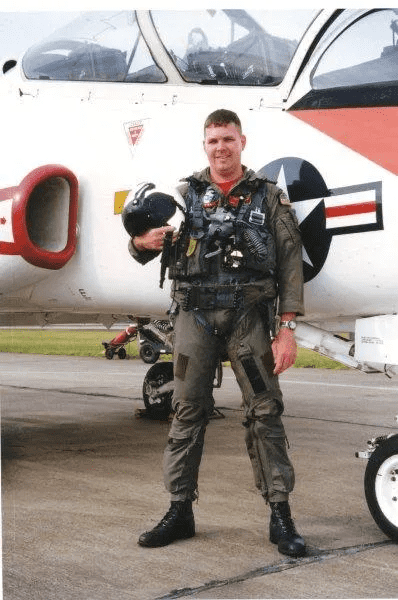
I relate (indirectly). My Army CWO Blackhawk son was a Chinook maintainer before becoming a pilot. He spent 6 years fixing/preparing 160th SOAR Chinooks (including the Chinooks that went on the bin Laden mission - POTUS shook my son's hand afterwards).As I watched it, I immediately said; "Uh-oh,, he's too close,," about the time the rotors hit each other. And then I watched the well trained guy run towards the necessary firefighting equipment. I thought; "Kudos!"
Several of us around here are former "rotorheads" of some variety. But,, I had to chuckle at Mobuck's comment; "Where's Contender, he can fix that in a jiffy."
Frank, (Fox Mike) myself & a slew of others can rebuild stuff easily,, but boy will it be expensive. Unless the airframes were damaged beyond specs.
I'm just glad to see nobody was hurt from what we see.


It's hard to see but it looks to me like the guy on the ground was not centered on the yellow mark denoting his position but was somewhat closer to the other pad. That could put them too close even if the incoming bird hit his mark properly.At one time in my life, I was involved with very large groups of helicopters. On a fixed base tarmac, each helicopter had its own mooring location, with the ground plainly marked, or a mooring marker to create ample clearance between birds. Even then, the crew chief or other ground personnel would guide the bird into position.
I had exactly the same thought.It's hard to see but it looks to me like the guy on the ground was not centered on the yellow mark denoting his position but was somewhat closer to the other pad. That could put them too close even if the incoming bird hit his mark properly.
I had exactly the same thoLooks to me also that ground guy was not in his spot. But flying guy should have noticed