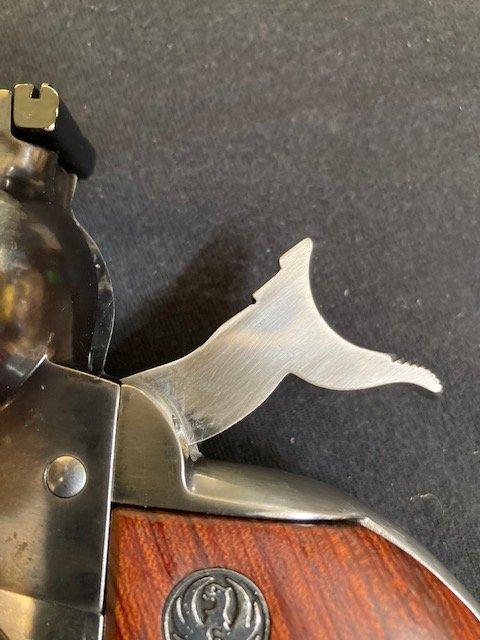
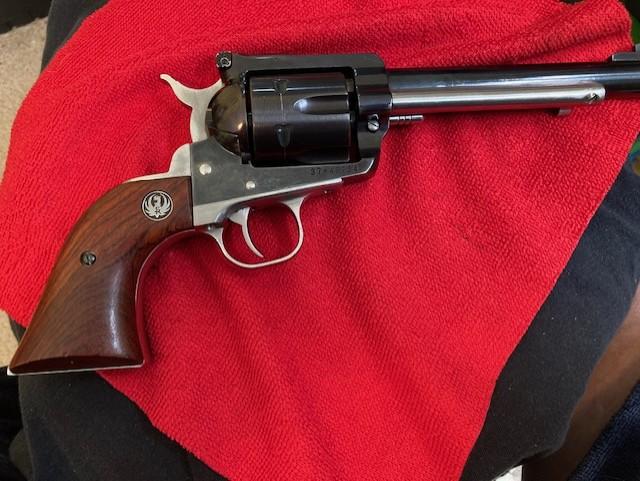
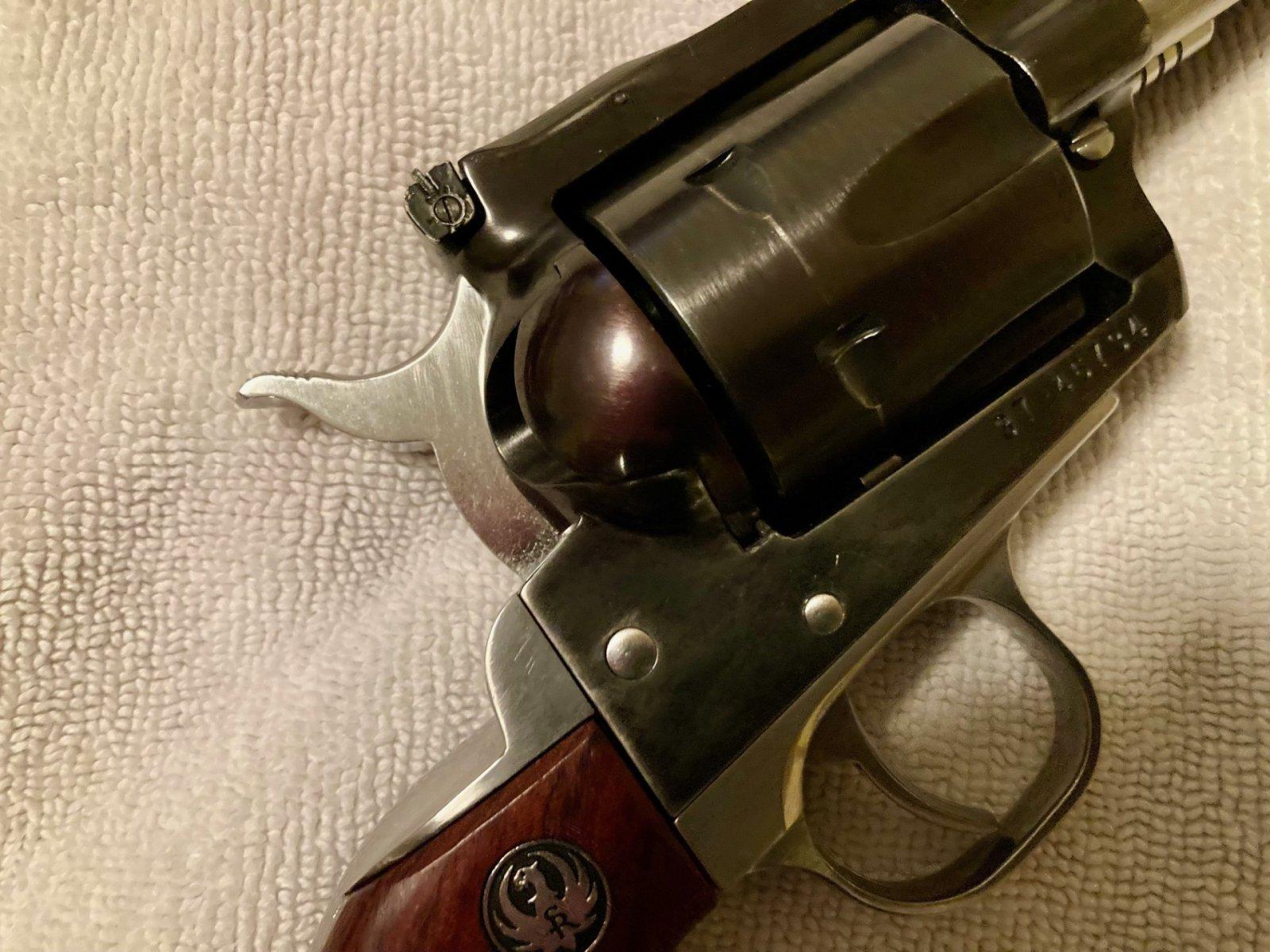
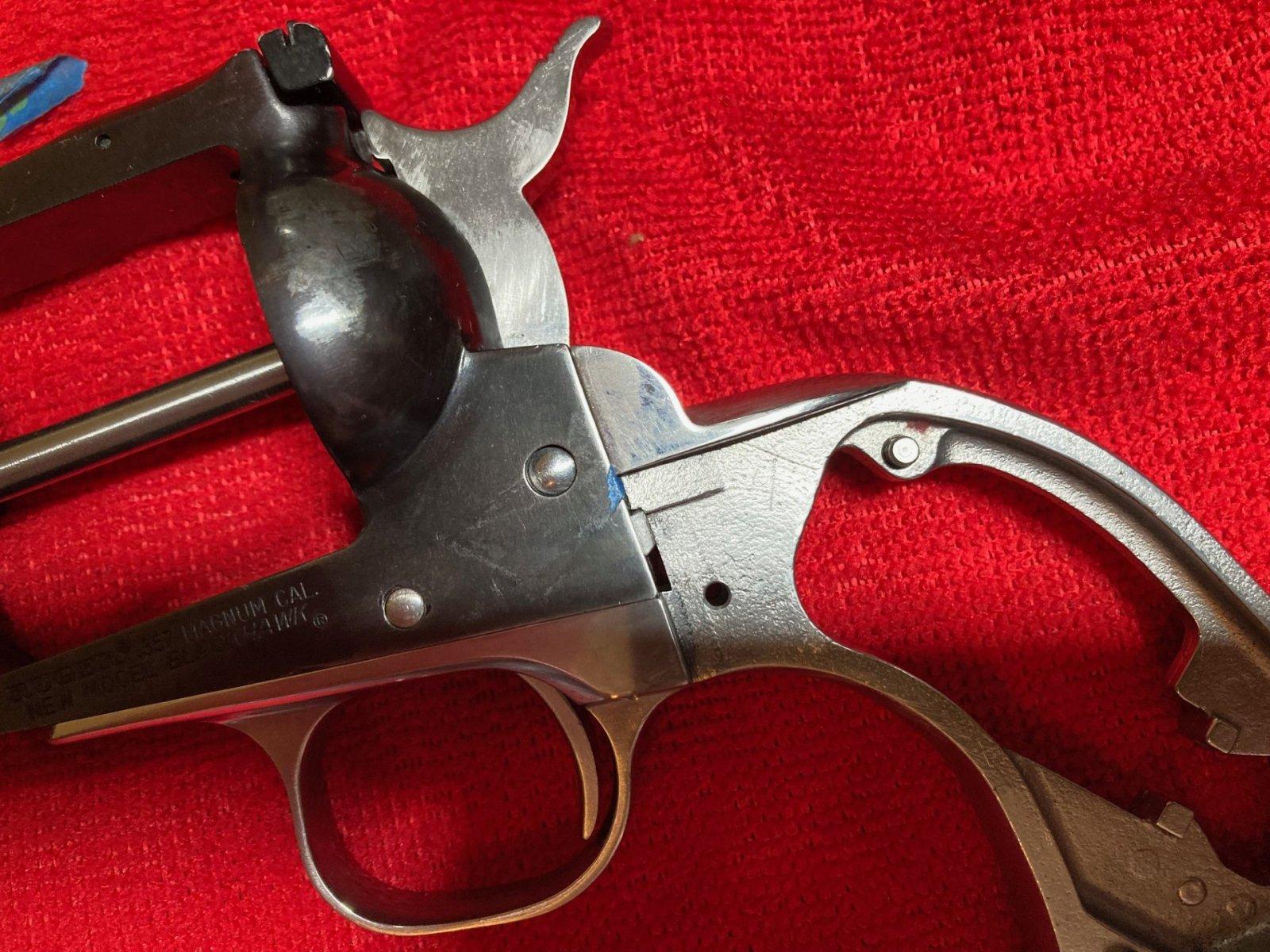
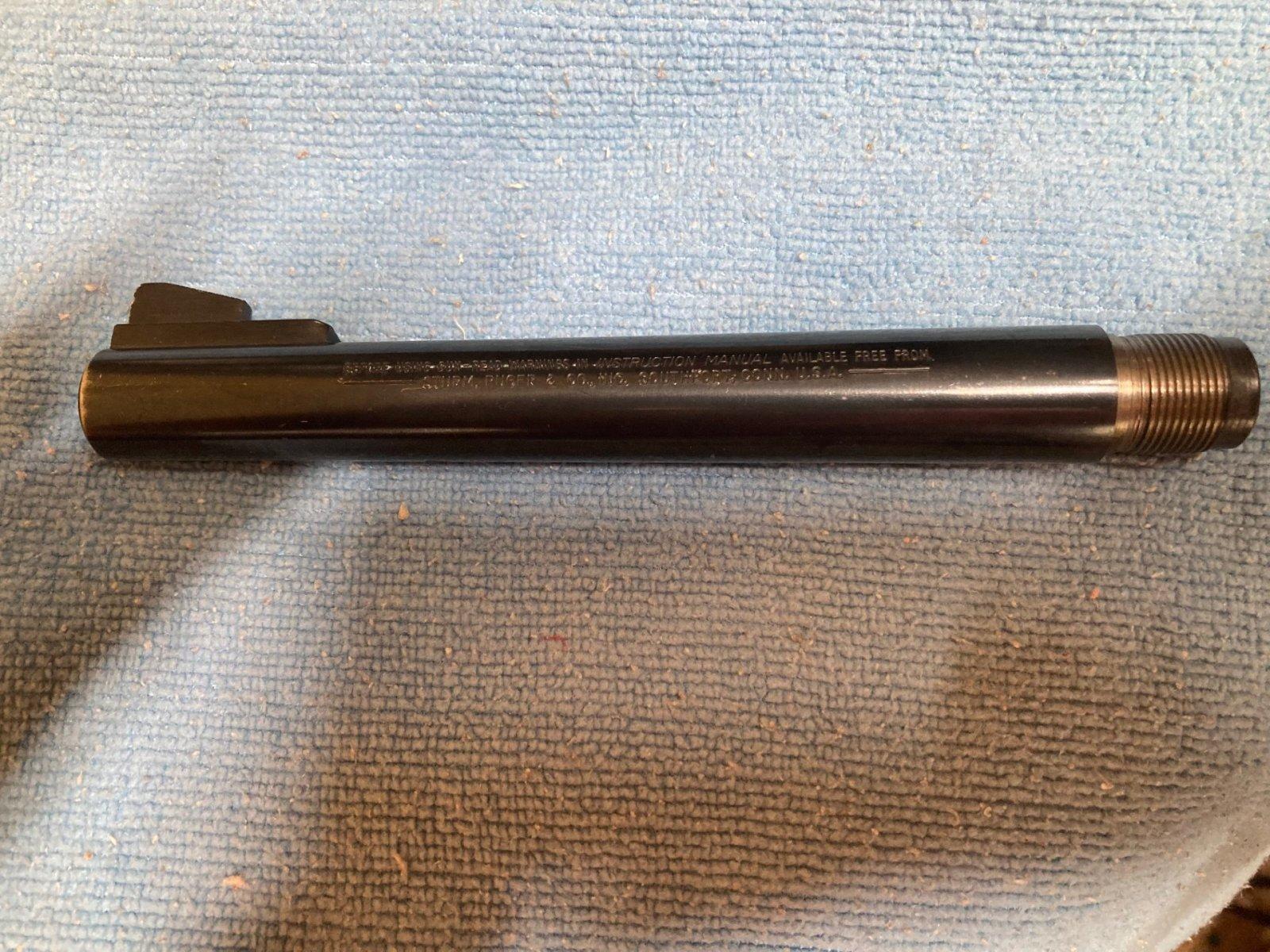
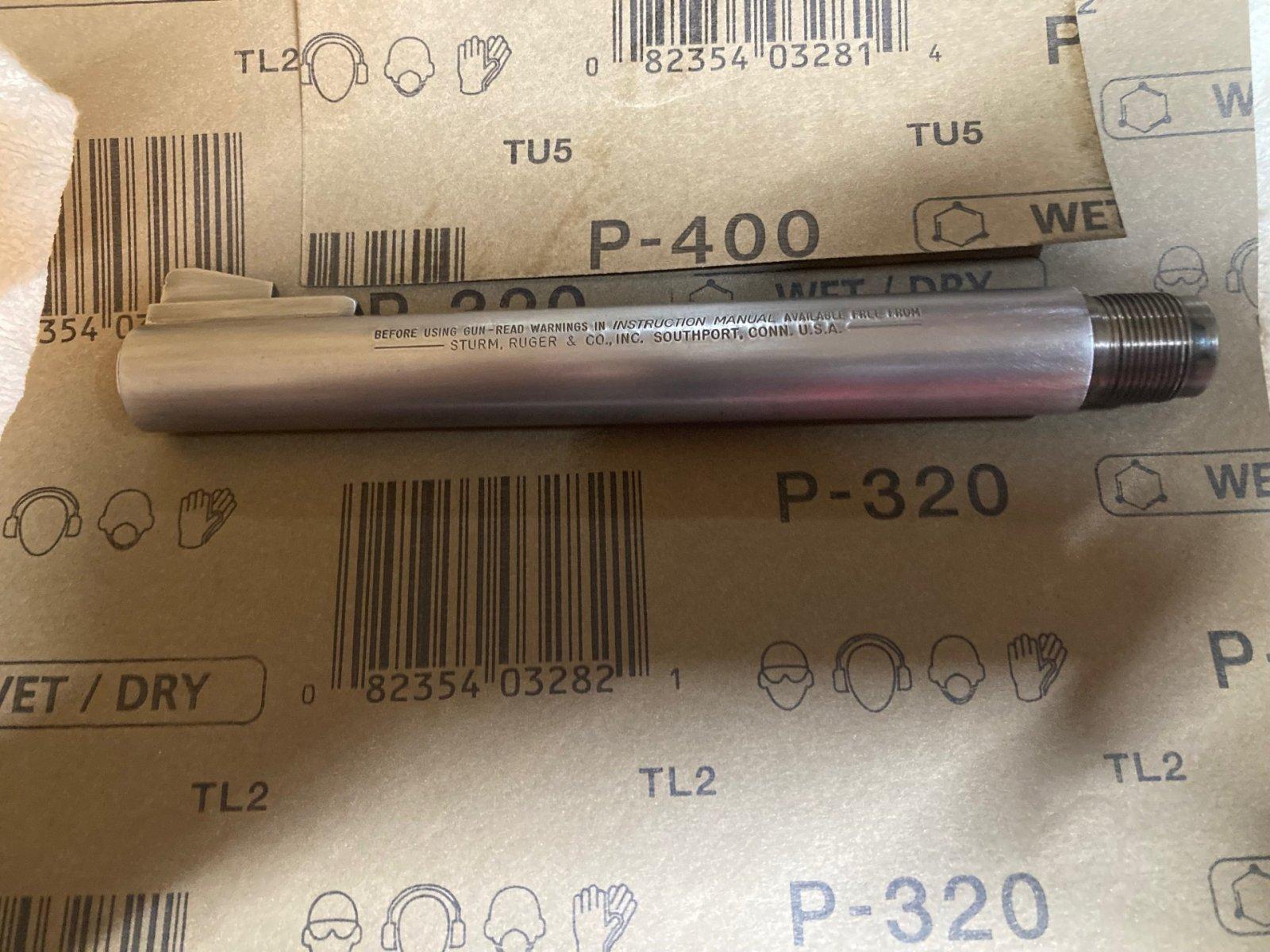
I understand your frustration at having to finish smoothing out your Ruger. The manufacturing methods used by Ruger now are for mass production, using machine operators, & not gunsmith types. They do not cycle the guns like we do,, so they can easily miss stuff. Your comment; "A few minutes of TLC after milling would have taken care of this." is not what happens. Those "few minutes" is a lot more than you'd think to just do that,, and that takes TIME. TIME is money because it slows down production,, a LOT.
Most CASUAL buyers & shooters will not bother with such minor flaws. And to the more serious folks,, well, we have to often do little things to satisfy our wishes, desires, or complaints.
Ruger can't afford the TIME to hand build guns & keep the costs to where we can afford them. Just look at Freedom Arms, and a 2 year+ wait & over $3000 for a gun. With FA,, you get a darn near perfect gun everytime. Production assembly lines can't do that.
When Bill was alive & building guns,, he had more gunsmith types,, and production was a LOT less. And we'd often have a long wait time to find guns that were introduced each year,, but due to high demand, and LOW production,, it often took a few years before the model was considered common & available.
I'm not trying to defend Ruger as much as I'm trying to explain the differences we now see. To get higher production, putting more guns in the hands of the people has a trade off of making them by mass production, where minor flaws are acceptable.