Rick Courtright
Hawkeye
Hi,
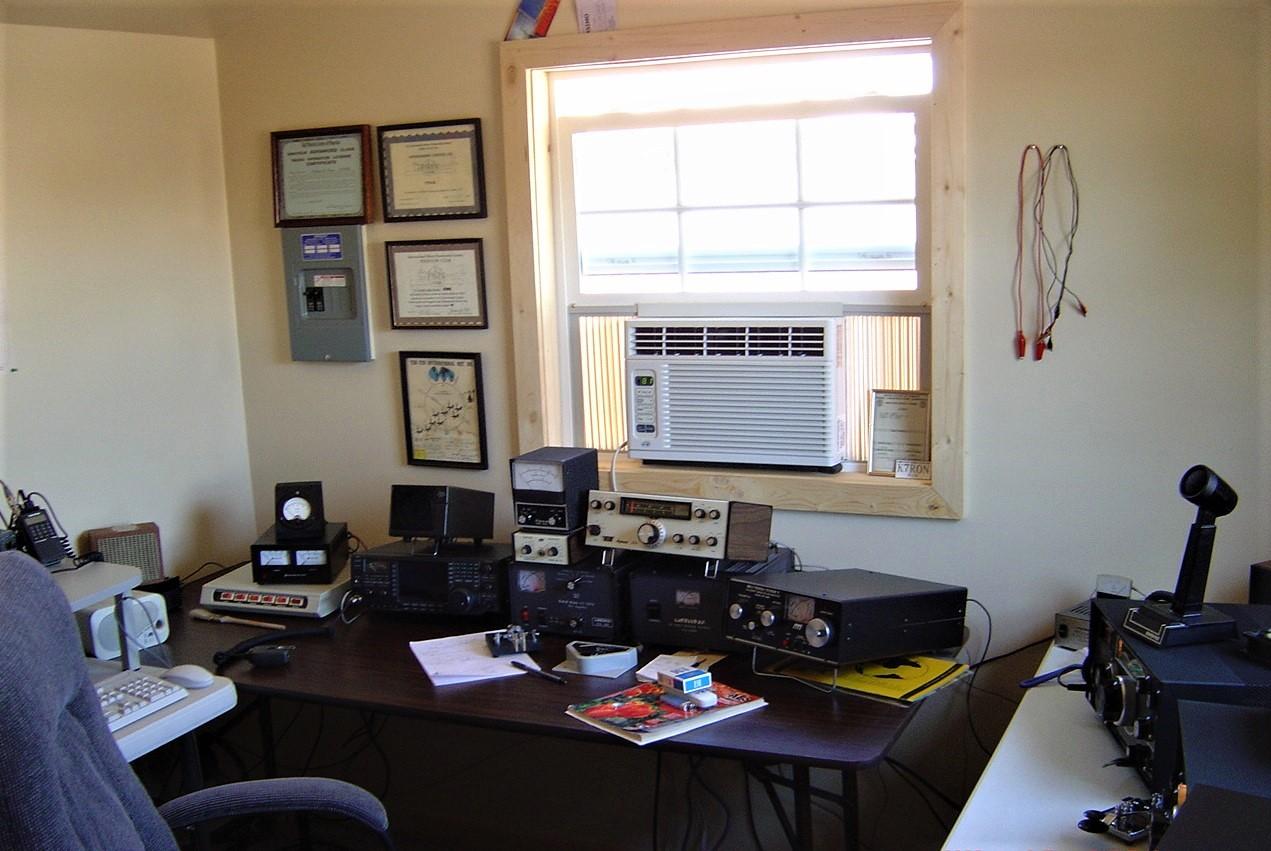
Years ago it was fun to stay up late at night or head out to the desert to listen to shortwave radio broadcast from pretty much all of the world, depending on time of day, time of year, and a bit of dumb luck. Kids who've grown up on the Internet are missing a lot of fun...
Over the years, choices of what to listen to dwindled as official government stations were closed up or seriously downsized. A lot of private stations went over to the tent preachers who could go on all night. BBC could be counted on anywhere in the world, until they fell into "you can do all this on the Internet" mode and shut down their SWL broadcast stations to North and South America, among others, and it seems that was the beginning of the end. I haven't picked up an SWL station in several years.
Well, it seems BBC is learning a lesson the "old timers" knew three quarters of a century or more ago: it's hard if not impossible to stop radio waves completely. Tokyo Rose and Axis Sally come to mind. The current class seems to be "replacing the Internet when a country shuts it down" as we're seeing with Russia and Ukraine. I read that BBC is reviving some of their stations in that part of the world to be able to get their news broadcasts to the whole area afflicted by this conflict.
Does anybody suppose others around the world might also learn this lesson about how fragile our communications via Internet are, and might even dust off some their own SWL stations?
Rick C
Years ago it was fun to stay up late at night or head out to the desert to listen to shortwave radio broadcast from pretty much all of the world, depending on time of day, time of year, and a bit of dumb luck. Kids who've grown up on the Internet are missing a lot of fun...
Over the years, choices of what to listen to dwindled as official government stations were closed up or seriously downsized. A lot of private stations went over to the tent preachers who could go on all night. BBC could be counted on anywhere in the world, until they fell into "you can do all this on the Internet" mode and shut down their SWL broadcast stations to North and South America, among others, and it seems that was the beginning of the end. I haven't picked up an SWL station in several years.
Well, it seems BBC is learning a lesson the "old timers" knew three quarters of a century or more ago: it's hard if not impossible to stop radio waves completely. Tokyo Rose and Axis Sally come to mind. The current class seems to be "replacing the Internet when a country shuts it down" as we're seeing with Russia and Ukraine. I read that BBC is reviving some of their stations in that part of the world to be able to get their news broadcasts to the whole area afflicted by this conflict.
Does anybody suppose others around the world might also learn this lesson about how fragile our communications via Internet are, and might even dust off some their own SWL stations?
Rick C


![Pampers Sensitive Baby Wipes, Clinically Proven, Fragrance Free, Unscented, Water Based, Hypoallergenic, Multi-Use, Hand Wipes 336 Wipes Total (6X Flip-Top Packs) [Packaging May Vary]](https://m.media-amazon.com/images/I/41KLBHu9CAL._SL500_.jpg)