Scout Rifle

About the only thing you need to know before purchase is - Right or left hand model.

I find the iron very useful and like them. Setting it up the optics is the tough decision your gonna have to decide. Red dot, holographic, reflex, scout scope, or standard eye-relief scope???
 
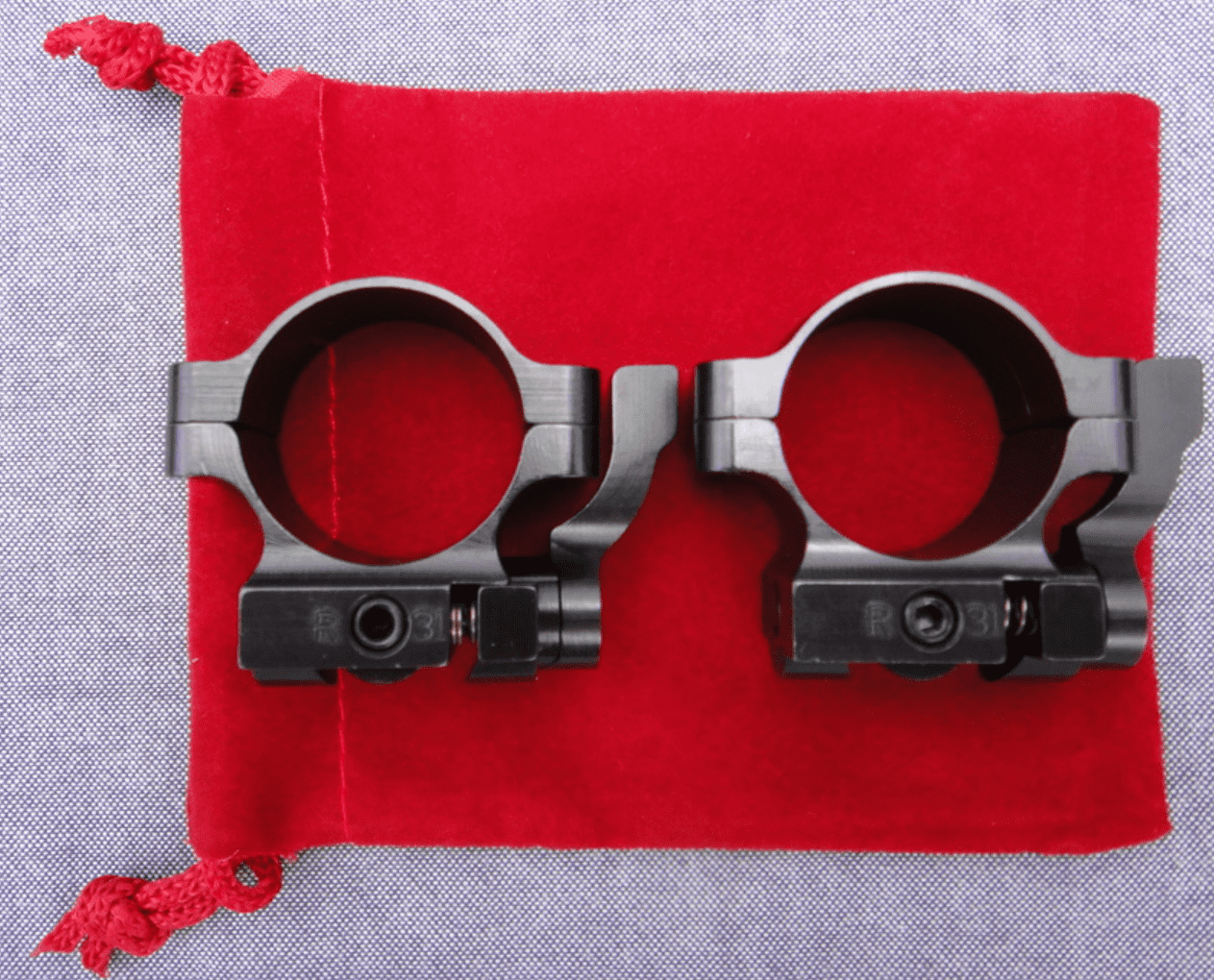
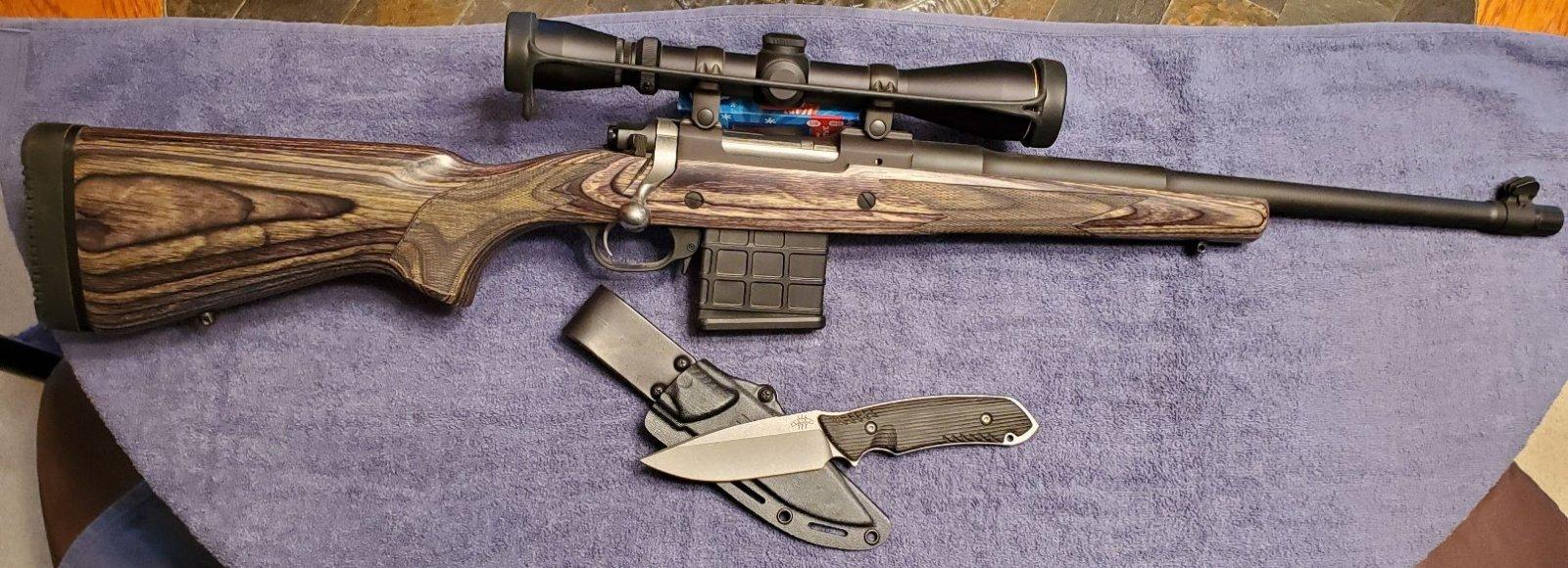
I currently have a Burris, 3~9x40 Signature Series Scope set in the normal location using the Ruger rings on mine.


I did try a Burris Scout scope mounted in the forward location but I wanted to use the rifle in a traditional role.


Lateck,
 
Kenneth L. Walters said:
deadduck357 said:
Setting it up the optics is the tough decision your gonna have to decide. Red dot, holographic, reflex, scout scope, or standard eye-relief scope???

Which standard eye-relief scope would you recommend?

There are only a few scout scopes on the market but standard eye-relief scopes are endless. Start looking at brands compared to what your willing to spend. Just keep the objective small(40mm or less) so you can mount it low.
 
Lurk over to Scoutrifles.org. They are having a huge affair with the RGSR now. I did not buy the RGSR after carful consideration. I like to co-witness my iron and low powered scope. I like Leopold IER 1.5 power.
 
As an Amazon Associate we earn from qualifying purchases. Product prices and availability are accurate as of the date/time indicated and are subject to change.
The sight should be appropriate for the intended use. If you are going to use the gun for home defense, go with a scout scope or red dot. For hunting or long range target shooting, a standard scope will suffice. Thats the beauty of the rifle. It's the one to have if you only have one.

I bought a frontier rifle when they came out. I have the Leupold 2.5x IER scope on it and love it. Now that the Gunsite Rifle is out, I am envious of the iron sights and especially the box magazine. Oh well.
 
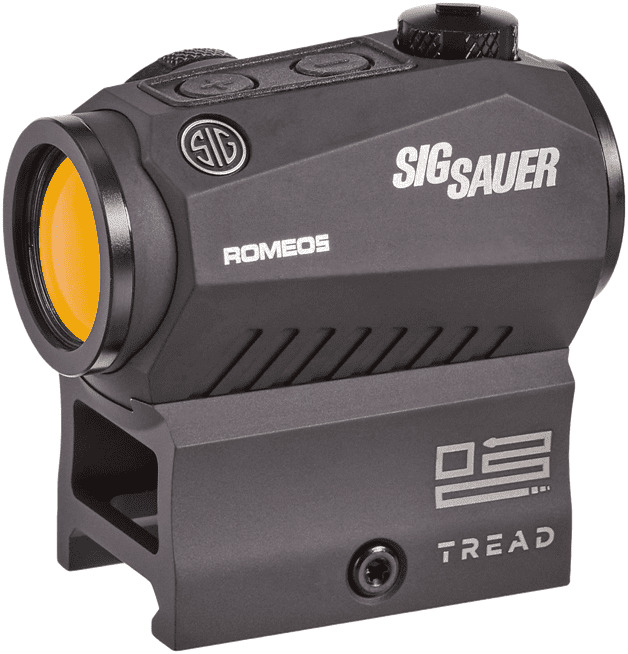
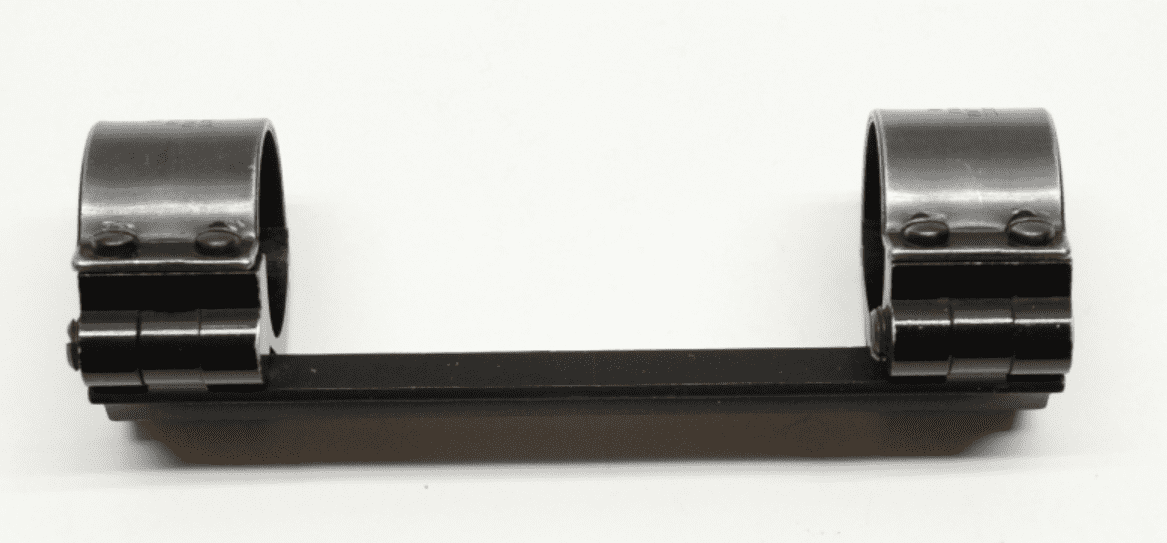
Resurrecting this question about best scope/optic for a Ruger Scout Rifle, especially in light of the options we have in 2024. Jeff Cooper advocated for a "forward-mounted, low-powered, long eye relief optical sight" and the Ruger Scout Rifle certainly meets the forward requirement. But which optic today would be ideal on a Scout for, say, hunting at 200 yards max? And perhaps more importantly, which option would work best with its default iron sights? Seems a shame to just sacrifice the pre-installed iron sights. Red dot? (see-through shown below is Romeo 5). Pivot mount? (Weaver as shown only one I know of and out of circulation). Detachable mounts? (if only Alaska Arms made detachable mounts for picatinny!). Surely some of you have faced this question with your own Scout rifles. What did you decide?
1717005696527.png
1717006173781.png
1717006248691.png
 
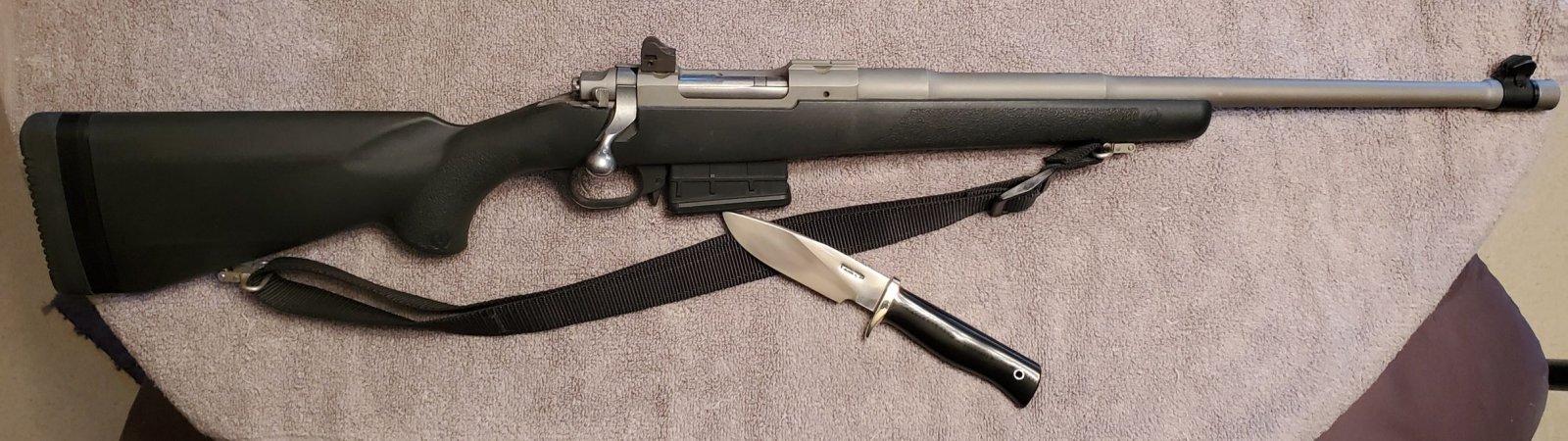
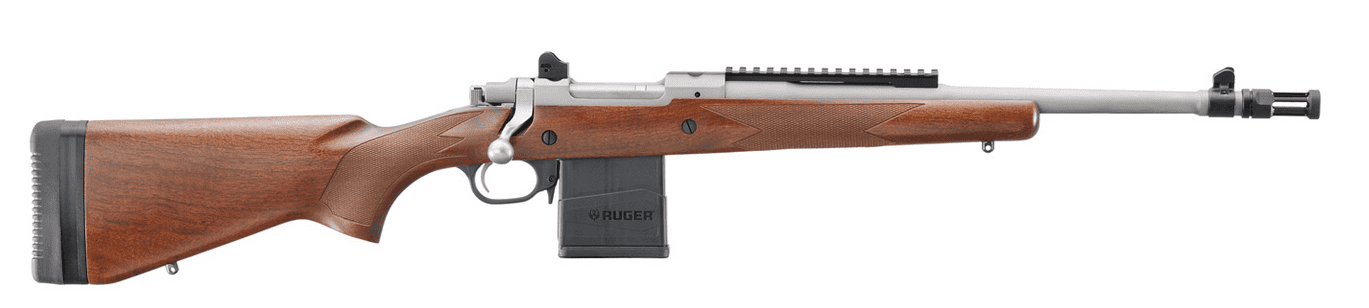
This is how Ruger's Scout Rifles are configured (as of today). Note how they mount a rail forward on the barrel, not the action, in keeping with Cooper's design idea. Have to wonder if mounting an optic on the barrel messes with accuracy (and indeed most reviewers say Scout Rifle accuracy is mediocre at best). I'm kind of with Sharpblade's configuration, the traditional position on the action might be more logical. In any event, how to mount an optic while still retaining use of the factory iron sights?
1717024557815.png
 
A 'scout rifle' with a detachable magazine and scope rail over the ejection port???? Jeff Cooper would be rolling in his grave :devilish:
The concept of the scout rifle is defeated by both these options.
 
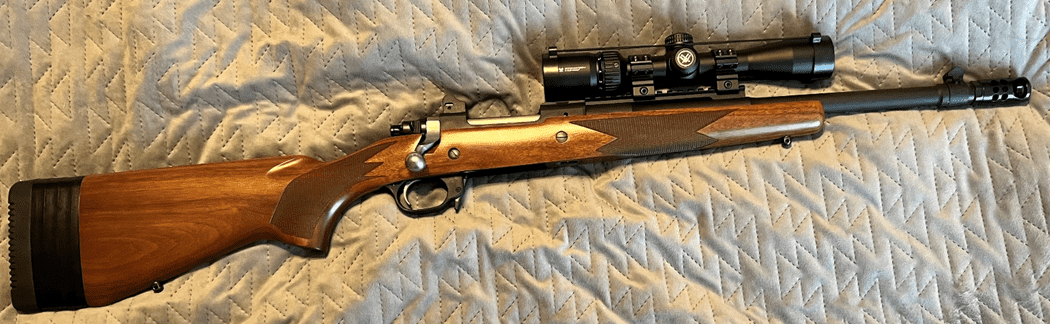
This is my Ruger Scout:
1717077327059.png


I have a Vortex Scout Scope mounted in the standard configuration, but this is not a "long range" gun. It is in .450 Bushmaster, so effective range is about 200 yards.

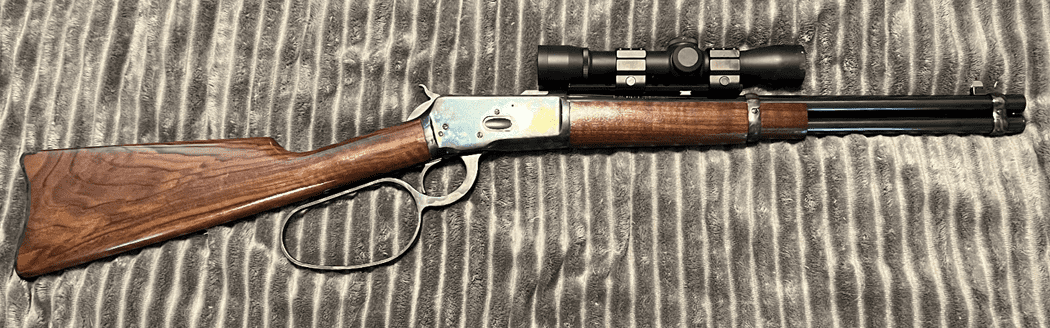
I also have a Chiappa in .44 mag with a scout scope on it, same thing, close in shooting (heavy brush, deep draws, etc.)
1717077469971.png


Scout scopes are great, for what they are intended for. Closer shots, keeping both eyes open. If using the rifle for hunting "at distance" a scout setup is not the best idea.
 
Yes. Given the reviews about mediocre accuracy from these Rugers (of course, one's individual experience may be better), coupled with their intended design, seems 200 yards max is about it. Which from my perspective is perfect. Would I take this rifle into the wide valleys of eastern Oregon or northern Idaho? Hell no. Have a custom 300 PRC for long distance surgery. But would the 300 PRC be my go-to option for the dense (sometimes near impassable) brush in Oregon or Washington west of the Cascades? Hell no, but a Scout Rifle would be ideal in those conditions.

By the way, the scopes you're using on those rifles. Describe please.
 
Another ancient thread resurrected. But, it's still relevant.

I've owned two scout rifles, and still own one. I use it for deer hunting, but I do not use or appreciate some of the scout features.

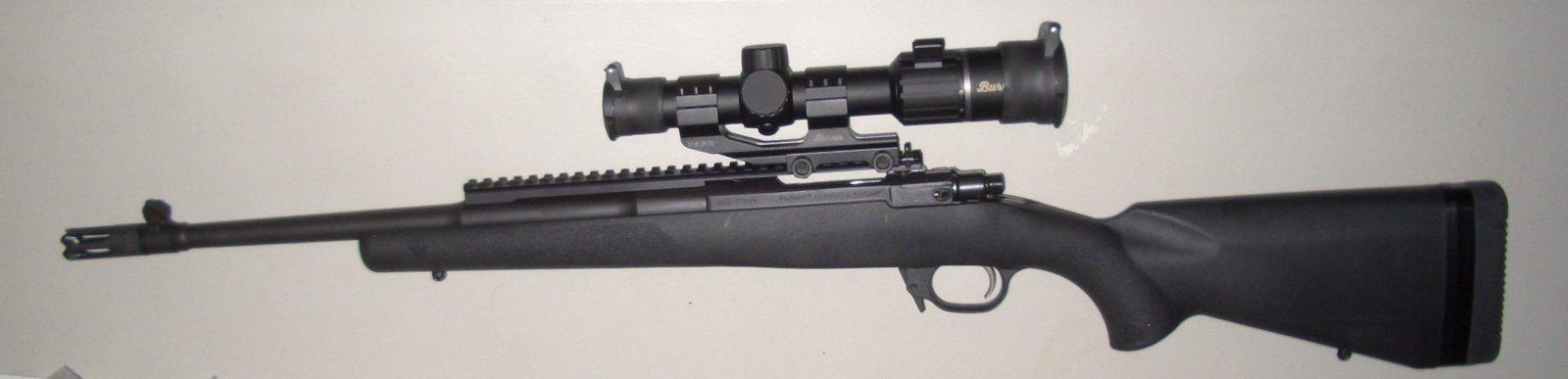
I do not like a removable mag for hunting. I do not need or want a flash hider. I do not need or want the forward scout scope mount, so I mount a scope conventionally over the receiver. And the scope I prefer is a high power variable, with AO, and small diameter objective. Burris makes such a scope.

What I do very much like about the Ruger Scout, is the very short barrel, and the heft. The heft makes it easy shooting, and accurate.

I never got the memo that it should be inaccurate.


.
 
Last edited:
Yes. Given the reviews about mediocre accuracy from these Rugers (of course, one's individual experience may be better), coupled with their intended design, seems 200 yards max is about it. Which from my perspective is perfect. Would I take this rifle into the wide valleys of eastern Oregon or northern Idaho? Hell no. Have a custom 300 PRC for long distance surgery. But would the 300 PRC be my go-to option for the dense (sometimes near impassable) brush in Oregon or Washington west of the Cascades? Hell no, but a Scout Rifle would be ideal in those conditions.

By the way, the scopes you're using on those rifles. Describe please.
The scope on the 450 Bushmaster is Vortex Crossfire II Riflescope 2-7x32 Scout Scope V-Plex. The scope on the lever gun is one that came on another gun I purchased that I did not want and removed. I'd give you more info, but the gun is currently at my gun smith with some issues, if I remember correctly it is a fixed magnification in the 2-4 range.

Both are long eye-relief, scout designated scopes.
 
Old thread but the Ruger Scout is fairly new to me. I have the stainless / synthetic 16" version in 308. I have a Vortex 2-7 Scout scope on it. I also have a traditional scope for the Ruger rings should I decide to go that way. but so far, I really like the scout setup. I have 3 loads, with 130 gr, 150 gr and 180 gr, that all shoot under 1" at 100 yards off the bench. Even at 200 yards the scout scope is fine. Shooting offhand is also very doable with the Scout.
 
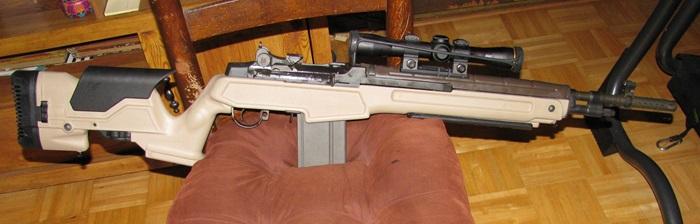
My pseudo scout, a spare mag & a few loose rounds of ammo in the stock pouch along with waterproof matches, space blanket, the rear peep site & wrench, plus a tool to remove the scope & rings.
No dang flash suppressor & the LOP is a bit shorter than standard, keeping the overall length compact & handy. The adjustable length of pull isn't pretty but I've found it useful.
I've since installed a quick adjust side mount sling that offers a lot of options even though it's not part of Coopers concept.
Would Cooper disapprove? Not if he was open minded & had new discoveries & wares available to him that he didn't have at the time of the first Scout rifle conference in 1963.
 
A 'scout rifle' with a detachable magazine and scope rail over the ejection port???? Jeff Cooper would be rolling in his grave :devilish:
The concept of the scout rifle is defeated by both these options.

Don't think he would care one way or the other about detachable mags.

"...The characteristics outlined by Cooper included:

  • Bolt-Action: Cooper didn't specify any particular style of bolt-action, as long as the action was reliable and operated smoothly.
  • Weight: Scout rifles were to be 7 lbs. or lighter WITH the optics and sling, as the gun would need to be carried potentially for long distances in remote terrain.
  • Size: The scout rifle was effectively a carbine, with Cooper's design calling for a barrel of 19 inches or less, and an overall length of 39 inches or shorter. Nowadays these shorter barrels on bolt guns are more common, but when Cooper was building the scout rifle concept, carbines were not as common or well received.
  • Ammunition: The scout rifle needed to be able to neutralize threats up to 1,000 lbs. with one shot with a conventional, widely available caliber. Cooper decided on the .308 round, which was to be fed by box magazine or stripper clip.
  • Sights: Because the scout operated alone, Cooper determined the shooter must be able to shoot with both eyes open and not compromise peripheral vision. To facilitate this, scout rifle utilized a forward-mounted low-power scope. Since optics can be damaged or fail especially in austere situations, the scout rifle should include an iron sight system, preferably a ghost ring aperture, with a front sight that wouldn't snag on clothing or brush.
  • Support: The scout rifle should have some quick-loop sling; Cooper favored the Ching Sling, but any sling could be used so long as the sling could be looped up to provide support for shooting, not just carrying. Cooper also advocated for built-in bipods, which few rifles could pull off due to the added weight and heft especially when trying to keep the whole gun in a light, tight package.
  • Accuracy: Cooper prescribed acceptable accuracy for a scout rifle at 2 MOA (minutes of angle), wherein the user could shoot three-shot groups at four inches at 200 yards..."
https://www.nrablog.com/articles/20...one-rifle-to-have-if-you-could-only-have-one/
:)
 
But but but...
Has no Scout owner managed to accommodate iron sights equally with an optic? All seen so far is one or the other...
You can do it, just need to get the see through raised mounts, problem is your scope is now too high and you can't get the ideal cheek weld and hold switching from optics to sights and back.

Personally, because of the low power, forward mounted scope, you are better off than with irons.
 
You can do it, just need to get the see through raised mounts, problem is your scope is now too high and you can't get the ideal cheek weld and hold switching from optics to sights and back.

Personally, because of the low power, forward mounted scope, you are better off than with irons.
Dang. I think you're probably correct, gotta choose one or the other. An overly high mounted scope is a no-go, for me anyway. A common problem in the Pacific Northwest during autumn is you can get caught in a severe rain event, a real deluge. Blurry scope syndrome invariably results. That's what I love about backup iron sights since rain won't worsen their functionality. I think I'm going to end up with detachable mounts on my Scout so that when the worst weather diminishes the scope I can easily remove it. Just gotta figure out which would be best on a rail...
 
Well, my scout squad has the original iron sights. And it has a forward mounted "scout" scope. So like a couple of others shown here lot's of us do it. Ok, the scope is mounted on the picatinny rail with QD rings. So, the cope comes off and goes back on easy. And before you ask, yes it maintains zero.
I will admit that my "scout" rifle isn't a bolt action, but should push come to shove a semiauto might have advantages over a bolt gun. If it didn't, the US would have fought all of WWII with the 1903 (like the British did with their Enfields) instead of the Garand. Oh, by the way, contrary to popular belief, the British had quite a few Garands during that dustup.
 
Last edited:
Back
Top