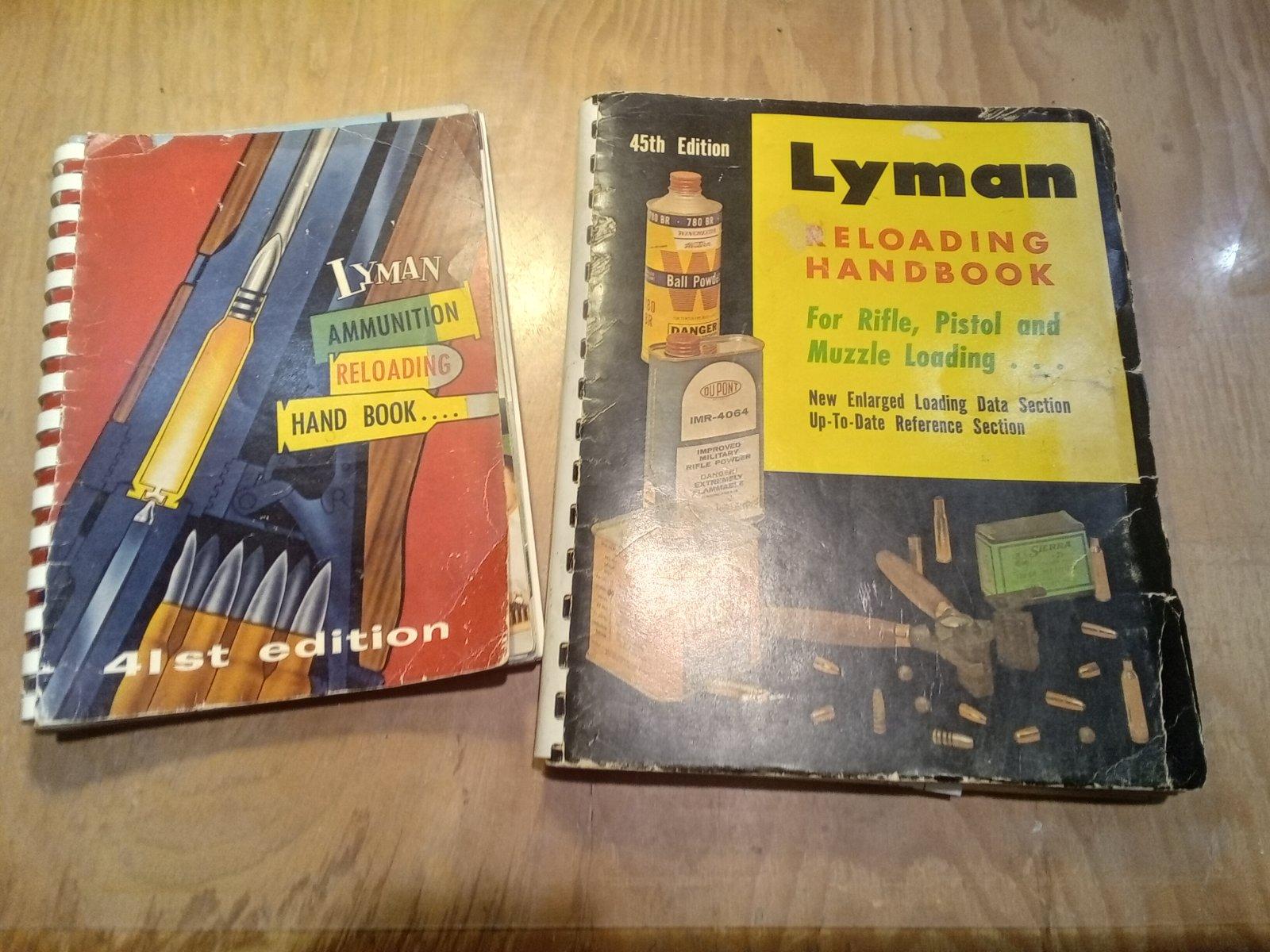
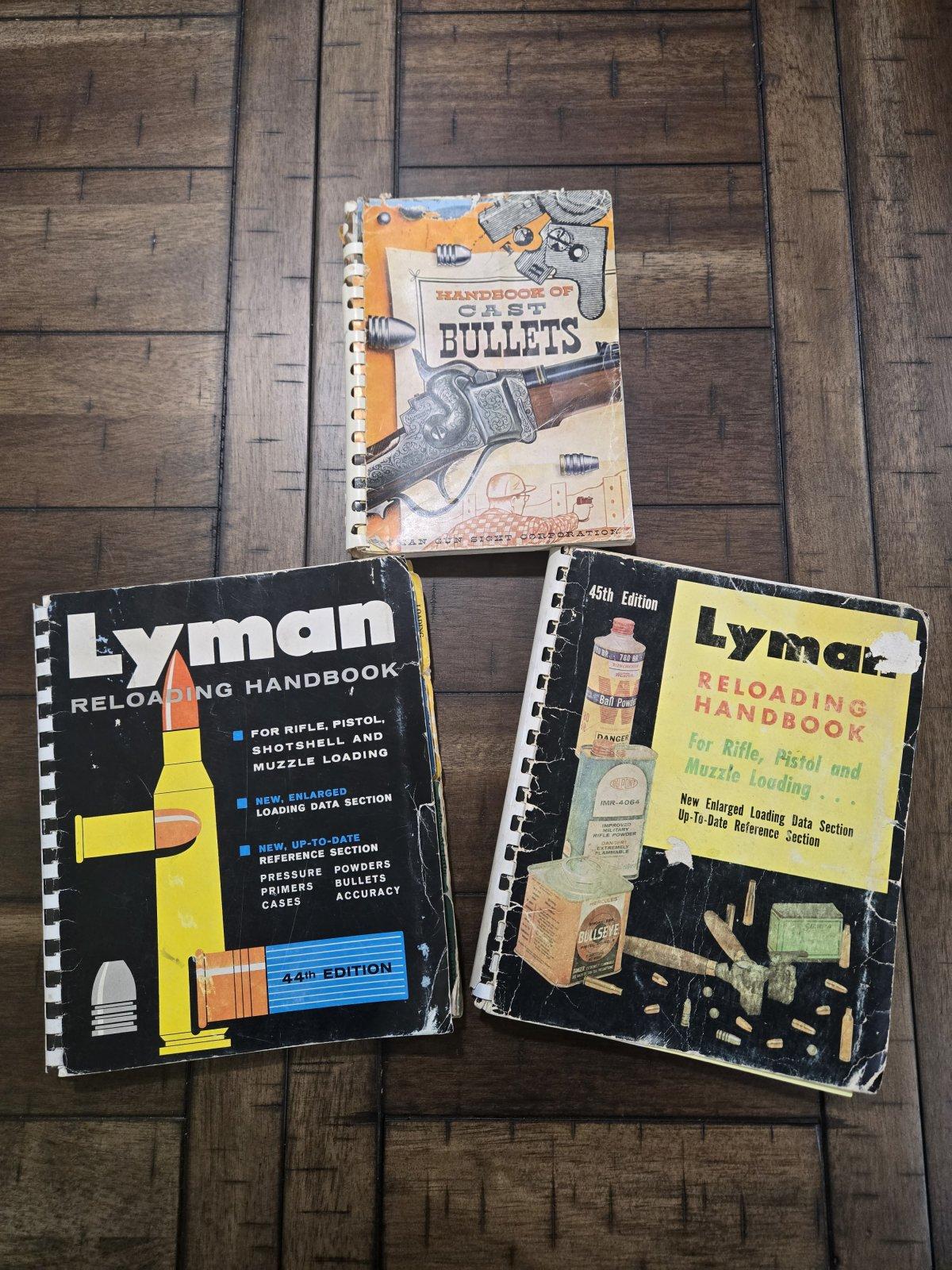
Lyman, Speer, Nosler, Sierra, Barnes, Swift, Berger, Norma, Lapua, VihtaVuori, Accurate, Western Powder, Hodgdon, or even Hornady reloading manuals are far better suited than Richard Lee's for gleaning load data from, as they all not only do their own testing but they all give the test barrel length, case brand, primer type and brand, as well as the bullet's brand and type for each load recipe.
Lyman has most everyone's bullets and many powders too, so it is a good all around manual to get first. Then once one figures a particular bullet they want to use they should get the bullet manufacturer's manual, and try and get the powder manufacturer's manuals that they plan to use as well. Then as one decides to use other manufacturer's bullets and powders they should add these manuals too. Lyman also has a Cast Bullet reloading manual for those who wish to cast their own bullets.
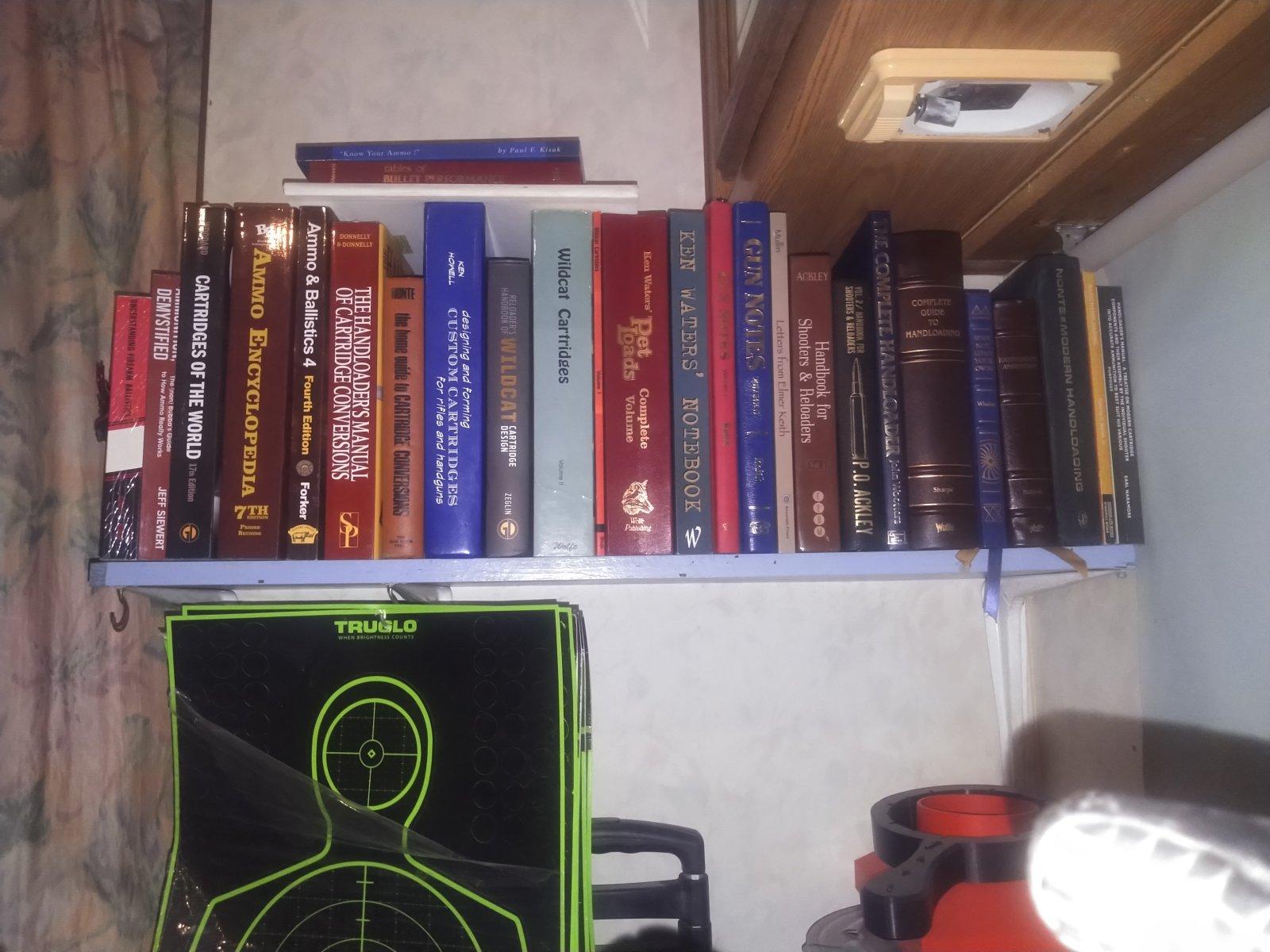
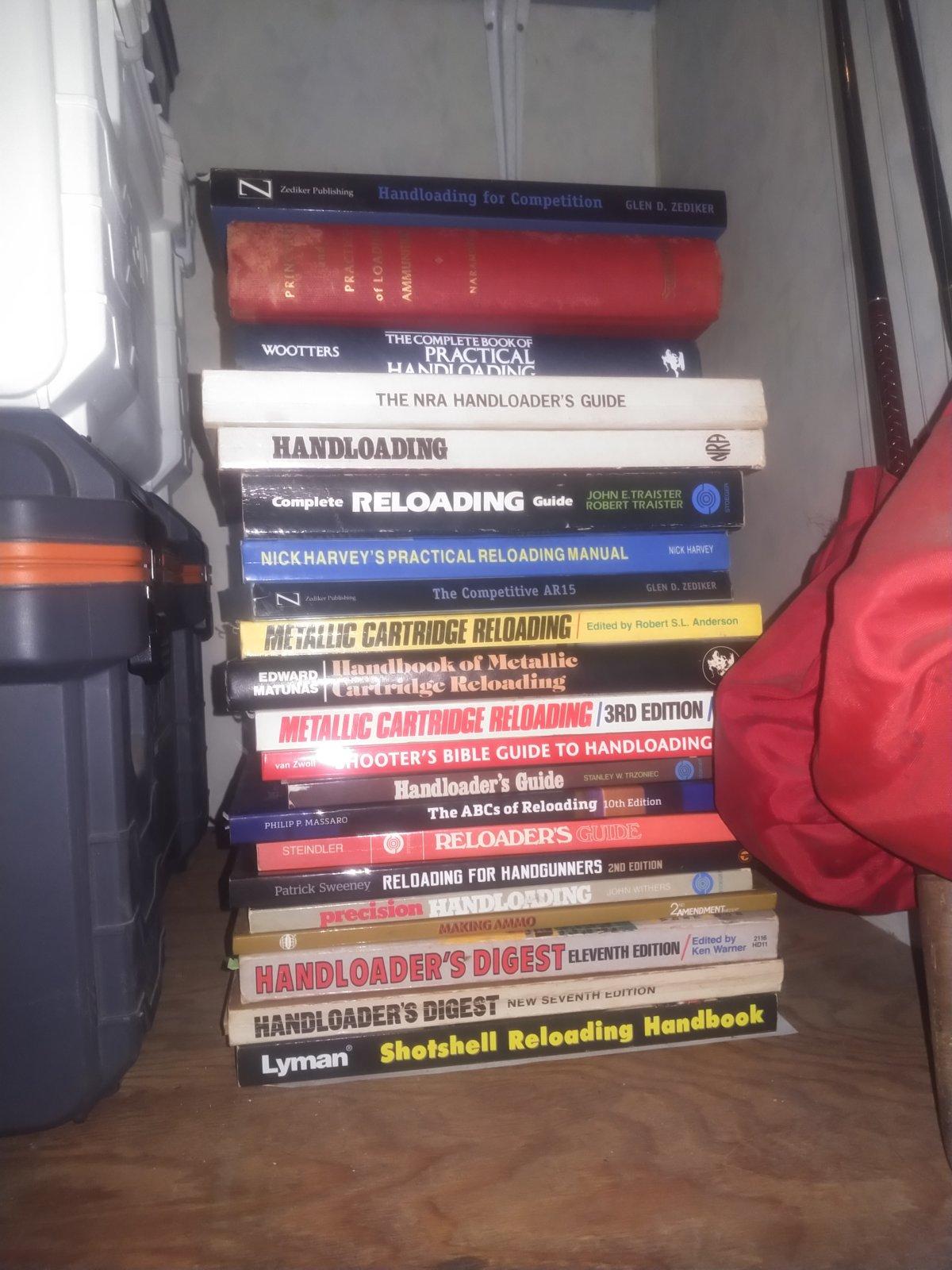
There are other reloading manuals that do not pressure test their loading data and those should not be used for load data but can be used to glean information of the reloading process. So once one has all the powder and bullet manufacture's manuals they could continue to add these other manuals for the knowledge in the first half of them (only).

In the Lee manual, on page 37, it states:
"Bullets seated deeper than normal will reduce case capacity and increase pressure. This is not too critical for large rifle cases, but extremely important for pistol loads. Good load data specifies bullet seating depth or over all cartridge length. Do not seat the bullet to deep.
On page 96, of the Lee manual, under the section of "The Latest Information On Pressure", it states:
"2) the extreme expansion (XTP and Gold Dot) handgun bullets have a large and deep nose cavity that makes them longer than a regular bullet of the same weight. This requires deeper depth resulting in higher pressure. Seating depth is very critical for handgun ammunition because of the small cases and large bores. ... … The usable volume of … … … the 45 ACP is 1.14cc. Seating bullets 1/16" deeper … .. … reduces the volume … 0.16cc for the 45 ACP. That's ... ... ... a whopping 14% ... . This large volume reduction has an equally large effect on pressure that is made more critical because the maximum pressure for the 45 ACP is 1/3 of [plus 60,000 pound range as mentioned below. Keep in mind the 45 Colt working pressure is a mere 14,000 psi.] …
On page 157, of Lee's manual under "Minimal Overall Length", It states:
This is critical on most handgun cases. A small reduction in overall length can cause dangerous pressures because of reduced capacity caused by seating the bullet too deep. See details on page 96."
On page 133, of the "Complete Reloading Guide", under "Loads For Handgun Cartridges", in bold font right under the heading it states:
Loads for handguns ... with less case capacity ... when loading ... ... ... mere tenths of a grain of powder can make the difference between a good load and one that is dangerous. Approach the loading of handgun ammunition with these facts in mind."
Plus on pages 88 thru 89, of the Lee manual, under "Signs Of Excessive Pressure" is a list of seven pressure signs and then the manual states the following:
"It must be emphasized that these signs will not manifest themselves in ... low pressure rounds. These are signs of pressure in the plus 60,000 pound range. If you are loading for a gun designed to operate at 15,000 pounds pressure, you will most likely never find a loose primer because the gun would have blown up and spread the primer and gun parts over a wide area."
And on page 158, of the Lee manual, in the section of "How To Read The Load Data", under "XTP" it states :
"Use these loads for the Hornady XTP, Speer Gold Dot, or Remington Golden Saber bullets.
Now on page 270, of the Lee manual, under the "250 grain XTP" it gives load data with three different seating depths, because the data was taken from three different brand bullets, yet clumped together as if one. So if someone where to take the data developed for the shorter bullet and turn around and used it with the longer bullet they could very well raise pressures far above the 10% reduced starting charge weight. Especially if they use a case with smaller case capacity than that used in the development of the load data, as well as a hotter brand primer than that which was used to develop the data in the first place. Keep in mind that just changing the brand of primer can cause as much as a 2,000 psi rise in pressure alone, which can by itself swallow up the safety margin. Then throw in a case that has a reduced volume than the tested one and on top of all that seating the wrong bullet father ino the case, because it has a deeper hollow point and thicker cooper jacket, than what was used to developed the load data could easily displace the primer into one's own eye - so to speak.
Or another way to put it would be as written in the book "Ammunition, Demystified" (page 17-18):
War Stories #1
"I used loading data from one manufacturer for the equivalent weight bullet made by a different manufacturer. I picked a starting propellent load based on the projectile weight I was loading. I fired two previous shots without much apparent problem. After the third shot, imagine my surprise when I dropped the lock block on my Ruger no.1 and found the whole primer, cup and anvil, missing! I immediately ceased shooting that ammunition and rifle until I got the rifle taken apart, inspected for various and sundry loose metal pieces from the primer, and successfully put them back together. The ammunition was broken down, never to be fired in that particular arrangement again. I know I do not want to do that again! While the bullet weight is an important factor in selecting the powder type and weight for your firearm, the ability of the bullet to engrave by the rifling (think of friction and radial stiffness) also dramatically affects the peak pressure a given powder load will attain. Use only the loading data published by the bullet manufacture! Substitution of loading data for equivalent weight bullets can get you into deep yogurt!"
And I know for a fact that other manuals have stated not to switch brands of bullets even if they are of the same type. I would post them here if I had the time to wade through 70 different manuals to find where they spoke of such, but I am tired just having to have dug up the above and below.
One can head the warnings of reloading or not, but what ever they do they should not teach others to ignore them just because they might so choose.
Again, the Richard Lee loading manual does not do pressure tests themselves, they only take test data from others that do and jumble it all together, of which they lose the test barrel length, case brand, primer type and brand, as well as bullet brand. And some 45 caliber bullets are .451" and some are .452" diameter. These are all important elements, as one should never take data made for one specific brand and type bullet and turn and use it with a different brand or type bullet's load data. This is due to Brinell hardness and bearing surfaces can be different, as well as the shape can be slightly different with longer or shorter lengths, all of which can cause extremely high pressure issues. One should only use data straight from a reputable data source [see first paragraph at top] that does their own pressure testing which give the test barrel length, case brand, primer type and brand, and most of all the brand of the type bullet used in developing the data. Each one of these elements that are changed is a compromise of which if all are compromised at the same time could very well add up to a recipe for disaster.
First off, I am not implying that Lee plagiarized the data in their manual, just that they jumbled data from different sources together and lost key elements in the doing. And it has always been a given that one should use the starting loads and work their way up. This 10% reduction covers for smaller bore diameters, different lots of powder, different brand/lots of primers, and different brands of cartridge cases. These alone can take up that 10% relatively easy. Especially in pistol cartridges, as a little goes a long way in such small volume chambers. And the .001" difference in diameter with a stiffer jacket can definitely cause pressure issues when it comes to using load data for one brand bullet [i.e. - the smaller one] and using it for another brand bullet [e.g. - the larger one].
So being Richard Lee's manual throws out one of the carnal safety rules of "never use load data developed for one brand of bullet for another brand of the same style bullet", keep in mind that it is always better to throw out Richard Lee's manual than any of the safety rules. But with all that said Richard Lee's reloading manual has a wealth of knowledge in the front half that makes the book well worth having. Just do not ignore the Cautions, Warnings, and Nevers there within.
Lyman has most everyone's bullets and many powders too, so it is a good all around manual to get first. Then once one figures a particular bullet they want to use they should get the bullet manufacturer's manual, and try and get the powder manufacturer's manuals that they plan to use as well. Then as one decides to use other manufacturer's bullets and powders they should add these manuals too. Lyman also has a Cast Bullet reloading manual for those who wish to cast their own bullets.
There are other reloading manuals that do not pressure test their loading data and those should not be used for load data but can be used to glean information of the reloading process. So once one has all the powder and bullet manufacture's manuals they could continue to add these other manuals for the knowledge in the first half of them (only).
In the Lee manual, on page 37, it states:
"Bullets seated deeper than normal will reduce case capacity and increase pressure. This is not too critical for large rifle cases, but extremely important for pistol loads. Good load data specifies bullet seating depth or over all cartridge length. Do not seat the bullet to deep.
On page 96, of the Lee manual, under the section of "The Latest Information On Pressure", it states:
"2) the extreme expansion (XTP and Gold Dot) handgun bullets have a large and deep nose cavity that makes them longer than a regular bullet of the same weight. This requires deeper depth resulting in higher pressure. Seating depth is very critical for handgun ammunition because of the small cases and large bores. ... … The usable volume of … … … the 45 ACP is 1.14cc. Seating bullets 1/16" deeper … .. … reduces the volume … 0.16cc for the 45 ACP. That's ... ... ... a whopping 14% ... . This large volume reduction has an equally large effect on pressure that is made more critical because the maximum pressure for the 45 ACP is 1/3 of [plus 60,000 pound range as mentioned below. Keep in mind the 45 Colt working pressure is a mere 14,000 psi.] …
On page 157, of Lee's manual under "Minimal Overall Length", It states:
This is critical on most handgun cases. A small reduction in overall length can cause dangerous pressures because of reduced capacity caused by seating the bullet too deep. See details on page 96."
On page 133, of the "Complete Reloading Guide", under "Loads For Handgun Cartridges", in bold font right under the heading it states:
Loads for handguns ... with less case capacity ... when loading ... ... ... mere tenths of a grain of powder can make the difference between a good load and one that is dangerous. Approach the loading of handgun ammunition with these facts in mind."
Plus on pages 88 thru 89, of the Lee manual, under "Signs Of Excessive Pressure" is a list of seven pressure signs and then the manual states the following:
"It must be emphasized that these signs will not manifest themselves in ... low pressure rounds. These are signs of pressure in the plus 60,000 pound range. If you are loading for a gun designed to operate at 15,000 pounds pressure, you will most likely never find a loose primer because the gun would have blown up and spread the primer and gun parts over a wide area."
And on page 158, of the Lee manual, in the section of "How To Read The Load Data", under "XTP" it states :
"Use these loads for the Hornady XTP, Speer Gold Dot, or Remington Golden Saber bullets.
Now on page 270, of the Lee manual, under the "250 grain XTP" it gives load data with three different seating depths, because the data was taken from three different brand bullets, yet clumped together as if one. So if someone where to take the data developed for the shorter bullet and turn around and used it with the longer bullet they could very well raise pressures far above the 10% reduced starting charge weight. Especially if they use a case with smaller case capacity than that used in the development of the load data, as well as a hotter brand primer than that which was used to develop the data in the first place. Keep in mind that just changing the brand of primer can cause as much as a 2,000 psi rise in pressure alone, which can by itself swallow up the safety margin. Then throw in a case that has a reduced volume than the tested one and on top of all that seating the wrong bullet father ino the case, because it has a deeper hollow point and thicker cooper jacket, than what was used to developed the load data could easily displace the primer into one's own eye - so to speak.
Or another way to put it would be as written in the book "Ammunition, Demystified" (page 17-18):
War Stories #1
"I used loading data from one manufacturer for the equivalent weight bullet made by a different manufacturer. I picked a starting propellent load based on the projectile weight I was loading. I fired two previous shots without much apparent problem. After the third shot, imagine my surprise when I dropped the lock block on my Ruger no.1 and found the whole primer, cup and anvil, missing! I immediately ceased shooting that ammunition and rifle until I got the rifle taken apart, inspected for various and sundry loose metal pieces from the primer, and successfully put them back together. The ammunition was broken down, never to be fired in that particular arrangement again. I know I do not want to do that again! While the bullet weight is an important factor in selecting the powder type and weight for your firearm, the ability of the bullet to engrave by the rifling (think of friction and radial stiffness) also dramatically affects the peak pressure a given powder load will attain. Use only the loading data published by the bullet manufacture! Substitution of loading data for equivalent weight bullets can get you into deep yogurt!"
And I know for a fact that other manuals have stated not to switch brands of bullets even if they are of the same type. I would post them here if I had the time to wade through 70 different manuals to find where they spoke of such, but I am tired just having to have dug up the above and below.
One can head the warnings of reloading or not, but what ever they do they should not teach others to ignore them just because they might so choose.
Again, the Richard Lee loading manual does not do pressure tests themselves, they only take test data from others that do and jumble it all together, of which they lose the test barrel length, case brand, primer type and brand, as well as bullet brand. And some 45 caliber bullets are .451" and some are .452" diameter. These are all important elements, as one should never take data made for one specific brand and type bullet and turn and use it with a different brand or type bullet's load data. This is due to Brinell hardness and bearing surfaces can be different, as well as the shape can be slightly different with longer or shorter lengths, all of which can cause extremely high pressure issues. One should only use data straight from a reputable data source [see first paragraph at top] that does their own pressure testing which give the test barrel length, case brand, primer type and brand, and most of all the brand of the type bullet used in developing the data. Each one of these elements that are changed is a compromise of which if all are compromised at the same time could very well add up to a recipe for disaster.
First off, I am not implying that Lee plagiarized the data in their manual, just that they jumbled data from different sources together and lost key elements in the doing. And it has always been a given that one should use the starting loads and work their way up. This 10% reduction covers for smaller bore diameters, different lots of powder, different brand/lots of primers, and different brands of cartridge cases. These alone can take up that 10% relatively easy. Especially in pistol cartridges, as a little goes a long way in such small volume chambers. And the .001" difference in diameter with a stiffer jacket can definitely cause pressure issues when it comes to using load data for one brand bullet [i.e. - the smaller one] and using it for another brand bullet [e.g. - the larger one].
So being Richard Lee's manual throws out one of the carnal safety rules of "never use load data developed for one brand of bullet for another brand of the same style bullet", keep in mind that it is always better to throw out Richard Lee's manual than any of the safety rules. But with all that said Richard Lee's reloading manual has a wealth of knowledge in the front half that makes the book well worth having. Just do not ignore the Cautions, Warnings, and Nevers there within.
Last edited:

 ) that I would like to add to this library.


 ) rioting and looting was taking place. That is when I decided I ought to arm myself for defensive purposes. I had also taken a trip up to Colorado and went on many mountain hikes. One day I stayed out late and barely [no pun intended] got back down to the roadway before dark 30. The next day at that same location and time of day/night a momma black bear and her two cubs were going up the mountain right where I had come down 24 hours before. That's when I decided I needed a bigger boat, I mean hand cannon. Of coarse the 45 Colt won my heart when studying up on what handgun to get for an every day carrying, whether in the woods, town or upon the roads way.