


HIkayer
Bearcat
Heads up to the Forum of this potential problem. (I searched but didn't see this mentioned.)
I installed Sigurd Short Stroke Trigger in my 380 LCP MAX in 2023.
It made a world of difference to accuracy and comfort. I recommend it. But yesterday it failed.
I noticed the trigger pull was getting heavier over the first two magazines, then on the third mag, nothing. The trigger felt "mushy" at the end of the pull, but it would not fire. It finally did get it to fire, but it took a huge amount of trigger pull force. But I was able to finish that box of 50.
When I got home, I pulled the trigger group and this is what I found. (Photos below.)
The trigger safety lever, (the little part of the trigger that must be depressed to fire) had deformed. It was ragged and had bent outward, preventing the trigger from pivoting through the slot on the trigger plate. That trigger safely lever, when pressed, must lie flat within the body of the trigger to pivot within the trigger plate. Mine had deformed to the point where it would not.
I see that Galloway Precision, who market the Sigurd triggers, is now making that trigger safety lever out of "carbon fiber reinforced nylon" and also offering one made out of aluminum for a $5 upcharge. I suspect they have encountered this problem before. My trigger was from the era before these changes, and it failed. I don't know what my trigger blade is made of, but it seems pretty soft, much like 3D printer media. FWIW, the safety lever on the original Ruger trigger is aluminum.
I mention this for those who, like me, depend on the LCP MAX as an EDC. This had best not happen in an emergency situation.
If you use a Sigurd trigger in one of your Ruger LCP's. I suggest you have a look at that little lever. If it is not either aluminum or the "carbon reinforced nylon" I suggest you replace it for your own safety.
I contacted Galloway Precision last night, and to their credit, they responded first thing this morning, offering a replacement trigger blade. The order is in process at no charge. If it works, great. If not, I will buy another trigger kit from Galloway Precision. I think the replacement is worthwhile.
I still think the Sigurd trigger is a helpful and worthwhile upgrade to the Ruger LCP series. If you have one and purchased it several years ago, please make sure yours is one with the current trigger blade materials.
Since this is an aftermarket part, I would not expect Ruger to address my problem. However, they would probably replace an original trigger for a charge.
Stay safe out there!
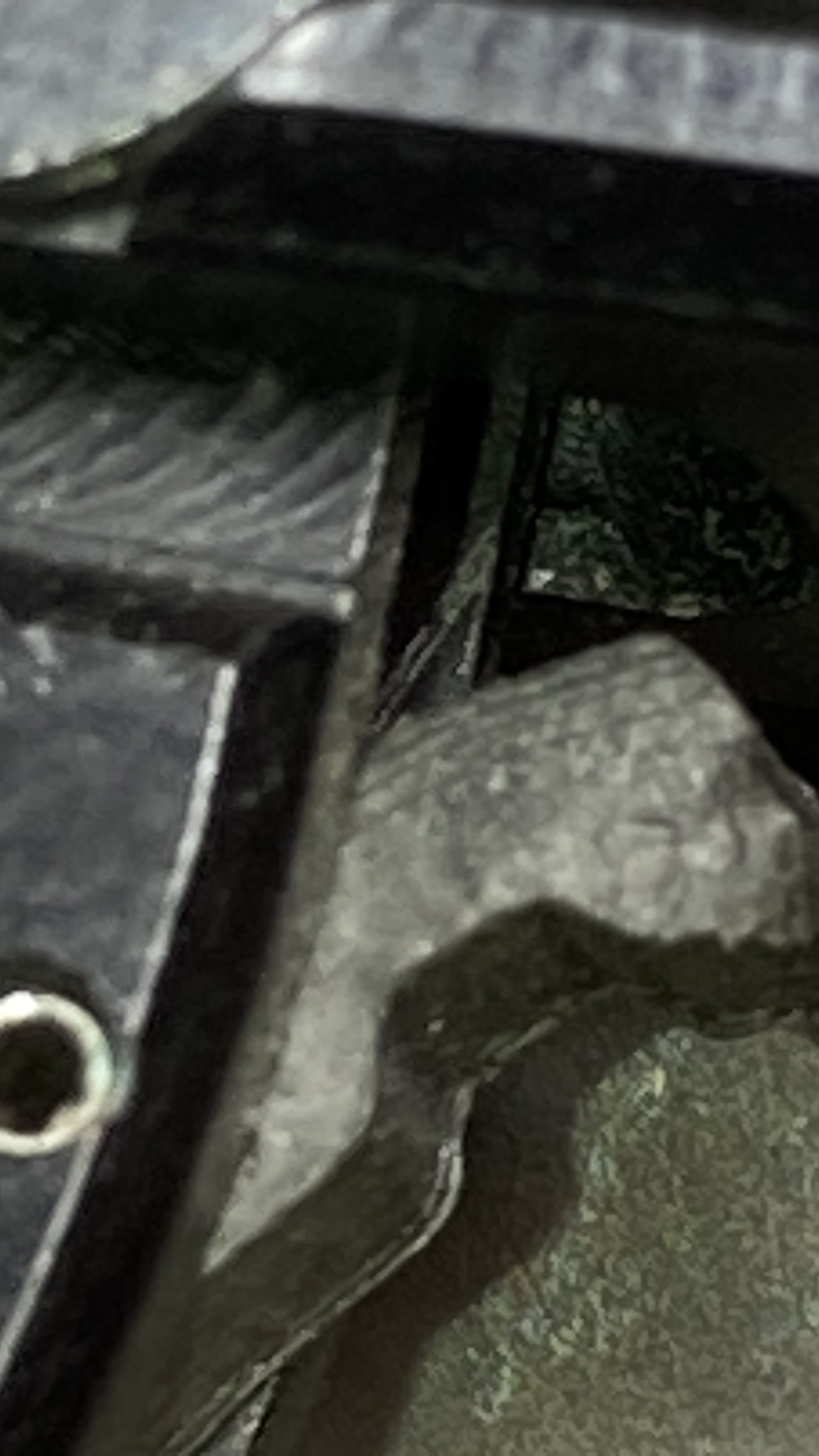
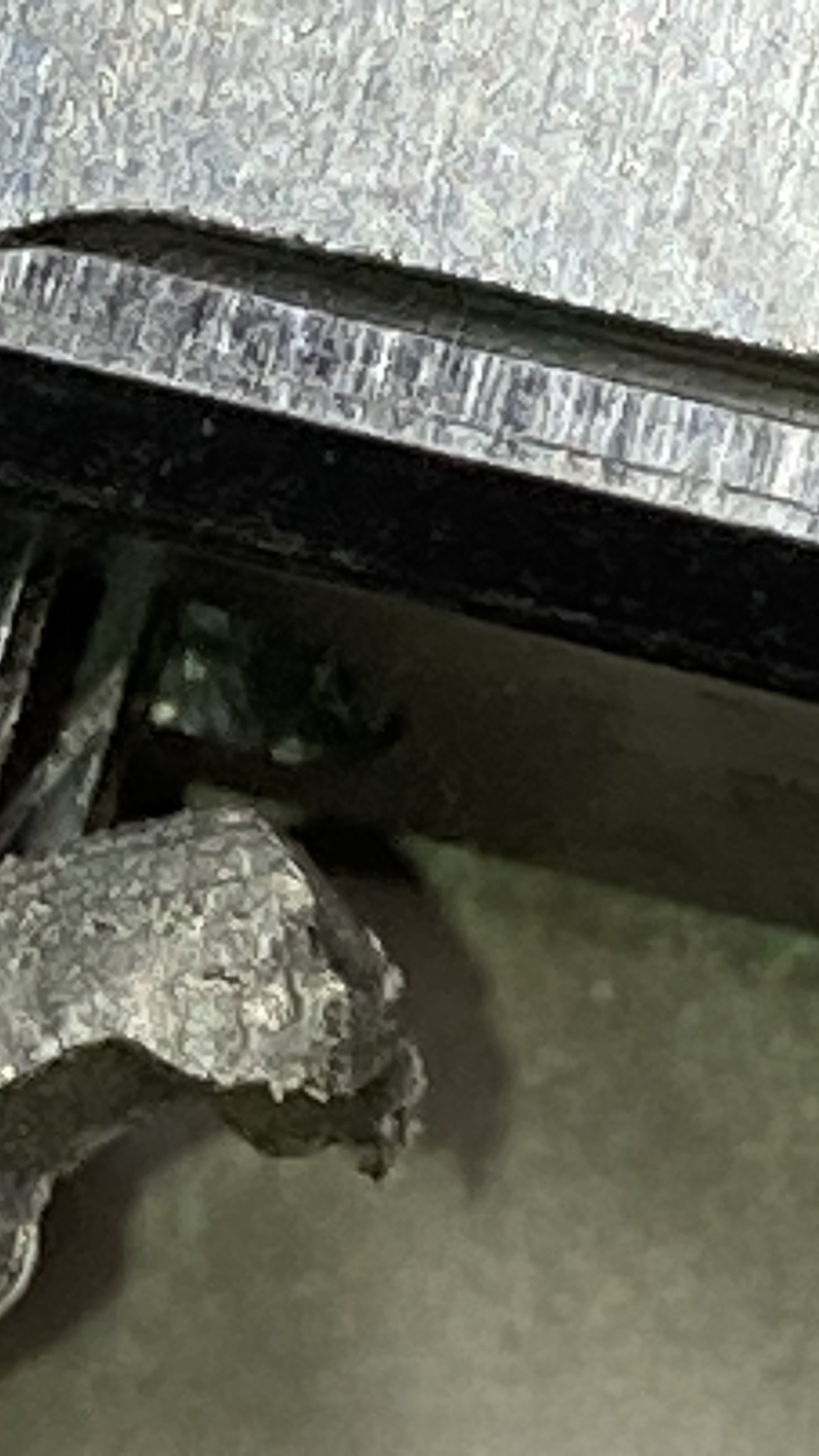
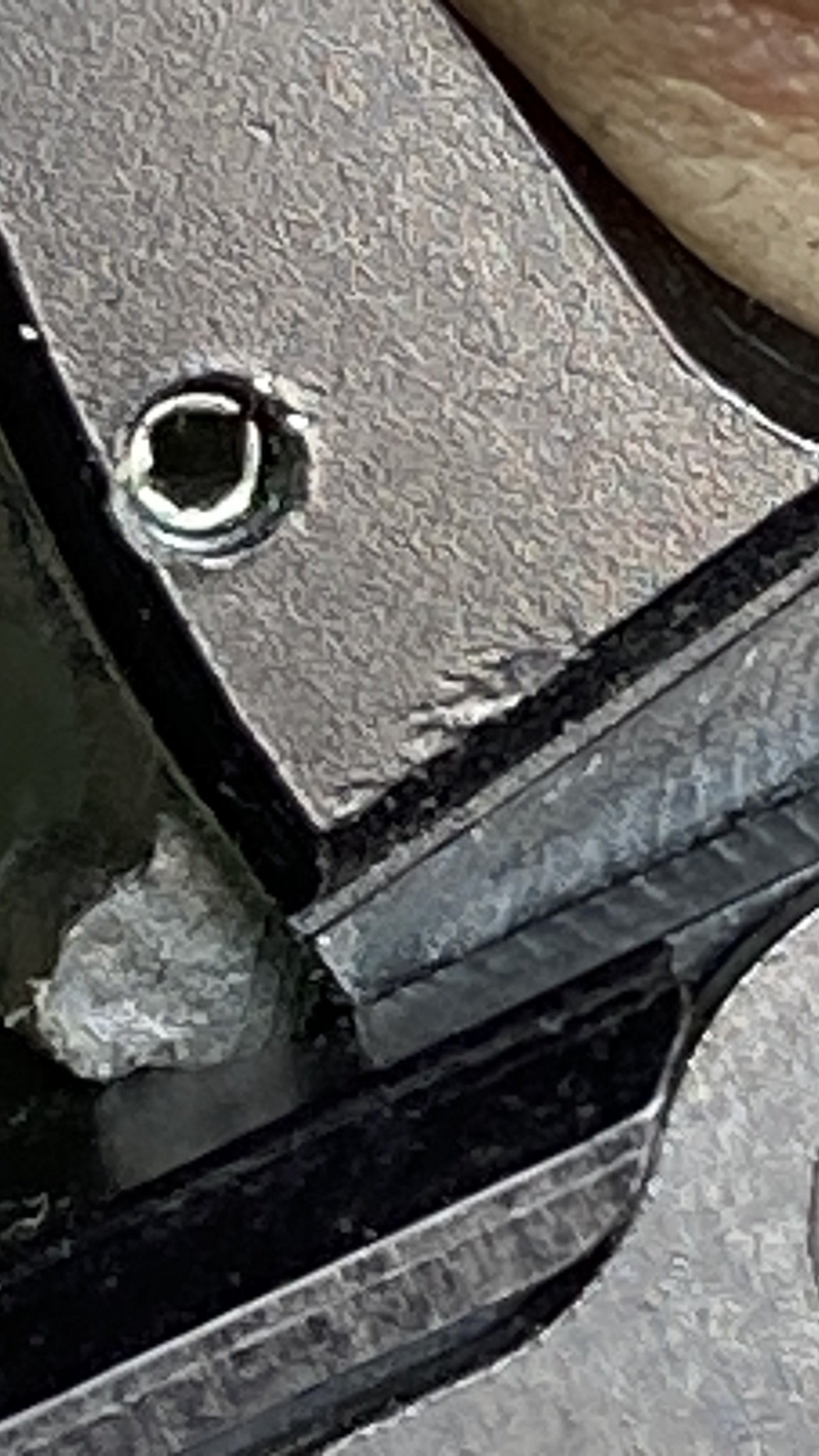
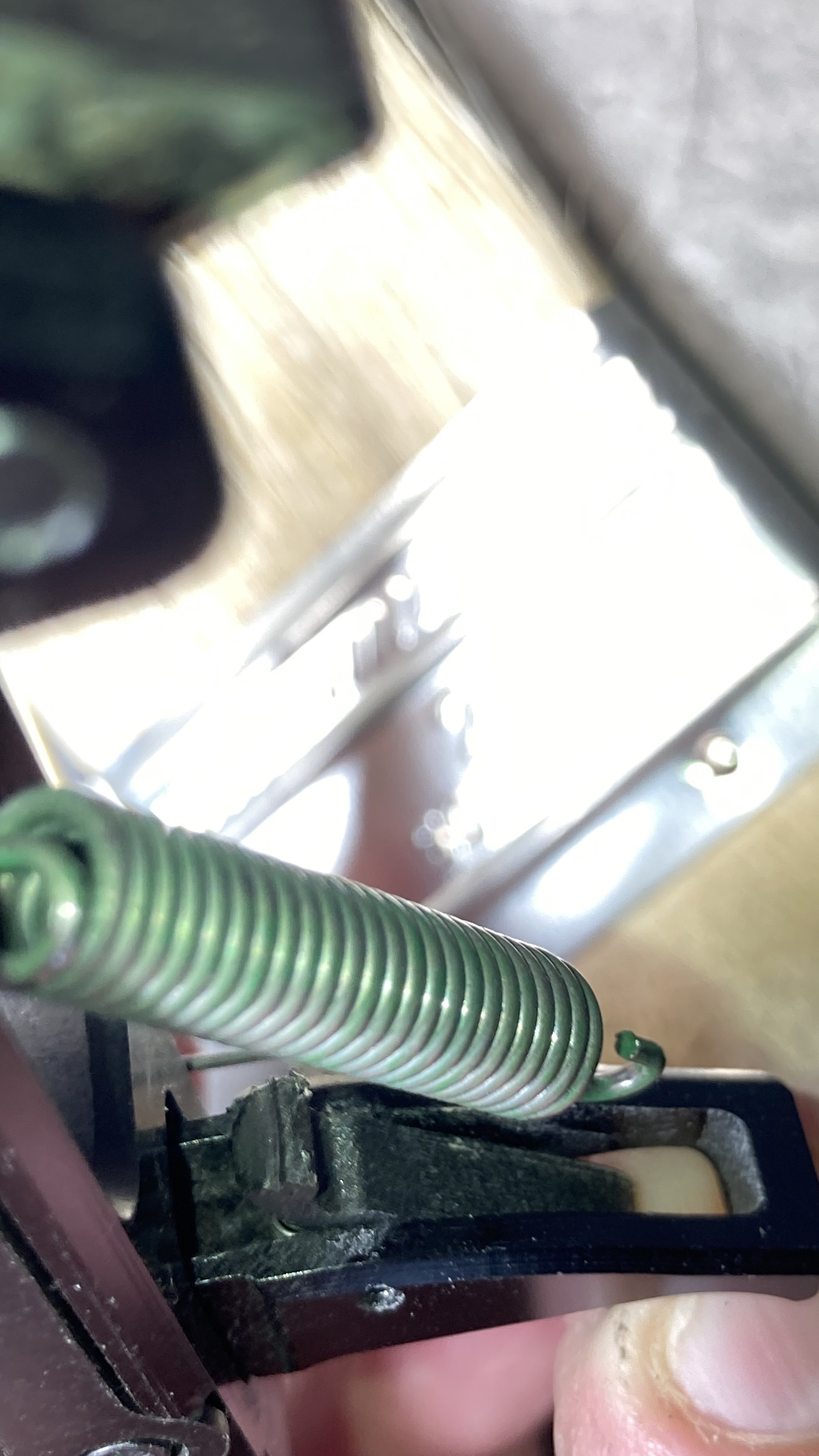
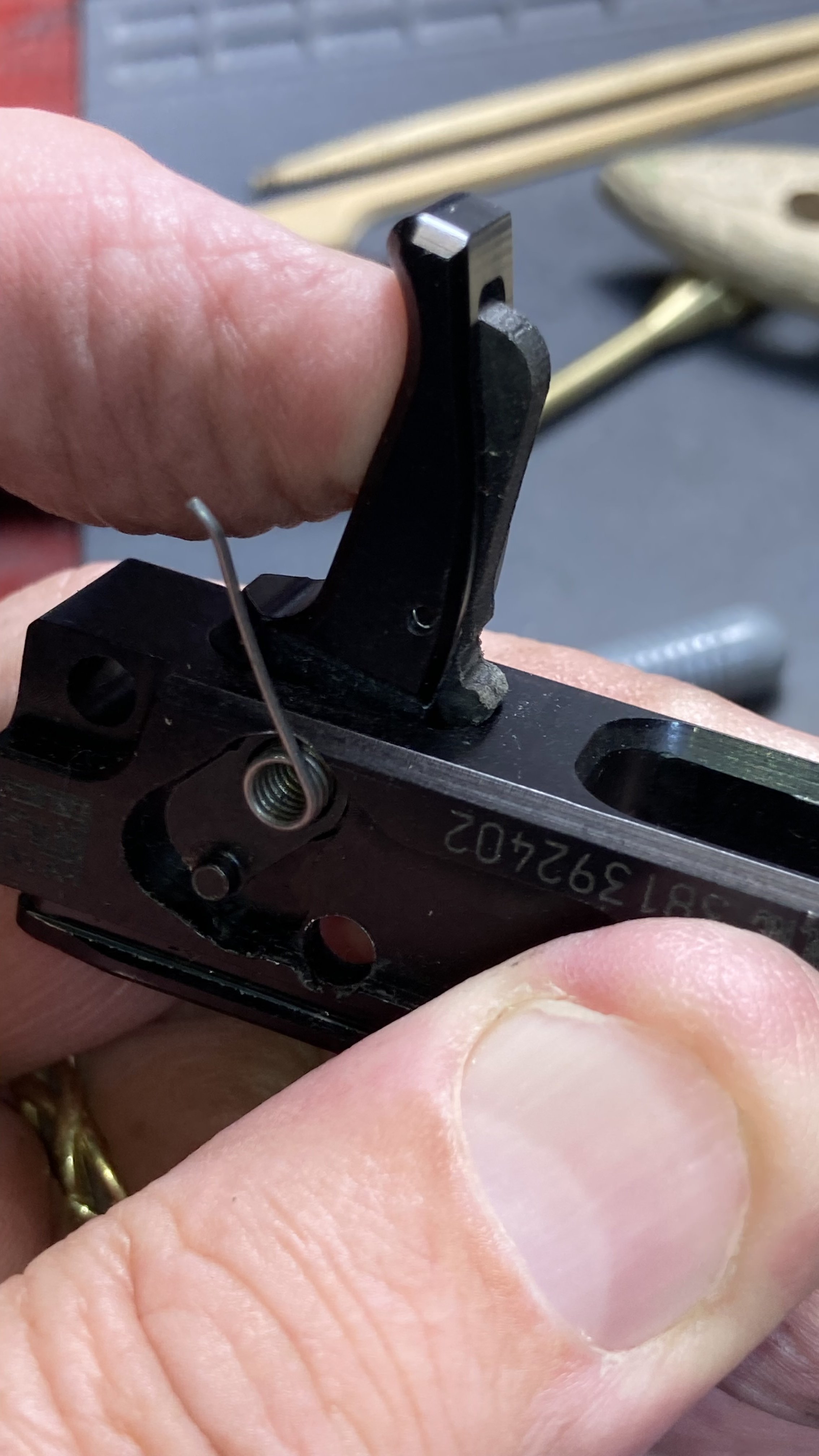
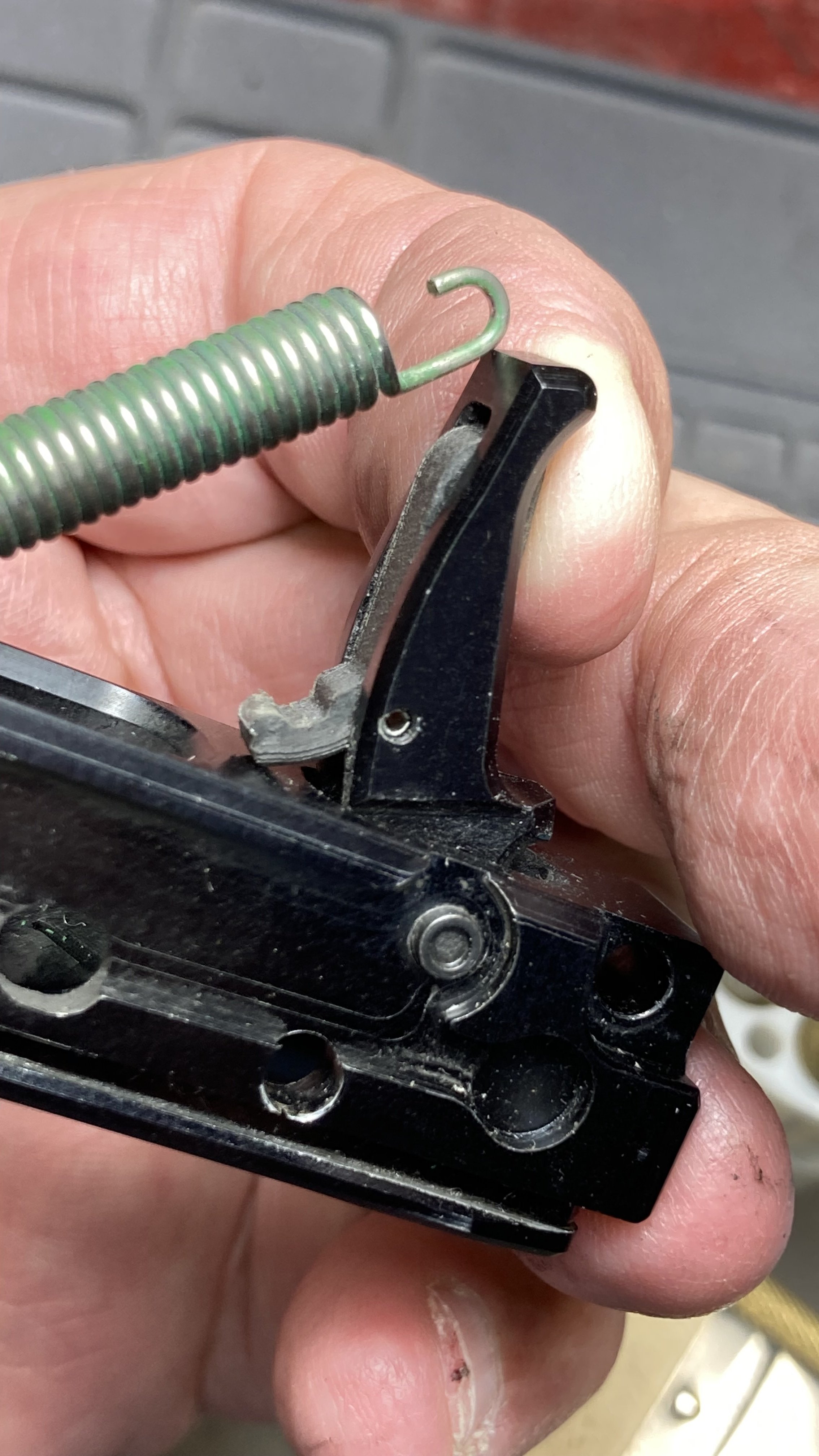
In the first 3 photos, notice how the end the trigger blade is ragged, looking chewed on, even. This should be smooth and rounded.
In photo 4 notice the indented line across the face of the blade. This is where it contacted the trigger plate, instead of missing it. The contact area is to the right of the trigger. It forms the boundary of the open area to the right.
Photo 5 shows how the blade contacts the opening of the trigger plate. The blade is fully compressed, and there is light pressure on the trigger.
Photo 6 shows the same as photo 5, but with heavy pressure on the trigger. The blade bends further outward, preventing the trigger from releasing the sear. Note the suggestion that if even more pressure were applied to the trigger (a very heavy trigger pull) the blade could bend even further, enough in my case, to allow the pistol to fire.
I installed Sigurd Short Stroke Trigger in my 380 LCP MAX in 2023.
It made a world of difference to accuracy and comfort. I recommend it. But yesterday it failed.
I noticed the trigger pull was getting heavier over the first two magazines, then on the third mag, nothing. The trigger felt "mushy" at the end of the pull, but it would not fire. It finally did get it to fire, but it took a huge amount of trigger pull force. But I was able to finish that box of 50.
When I got home, I pulled the trigger group and this is what I found. (Photos below.)
The trigger safety lever, (the little part of the trigger that must be depressed to fire) had deformed. It was ragged and had bent outward, preventing the trigger from pivoting through the slot on the trigger plate. That trigger safely lever, when pressed, must lie flat within the body of the trigger to pivot within the trigger plate. Mine had deformed to the point where it would not.
I see that Galloway Precision, who market the Sigurd triggers, is now making that trigger safety lever out of "carbon fiber reinforced nylon" and also offering one made out of aluminum for a $5 upcharge. I suspect they have encountered this problem before. My trigger was from the era before these changes, and it failed. I don't know what my trigger blade is made of, but it seems pretty soft, much like 3D printer media. FWIW, the safety lever on the original Ruger trigger is aluminum.
I mention this for those who, like me, depend on the LCP MAX as an EDC. This had best not happen in an emergency situation.
If you use a Sigurd trigger in one of your Ruger LCP's. I suggest you have a look at that little lever. If it is not either aluminum or the "carbon reinforced nylon" I suggest you replace it for your own safety.
I contacted Galloway Precision last night, and to their credit, they responded first thing this morning, offering a replacement trigger blade. The order is in process at no charge. If it works, great. If not, I will buy another trigger kit from Galloway Precision. I think the replacement is worthwhile.
I still think the Sigurd trigger is a helpful and worthwhile upgrade to the Ruger LCP series. If you have one and purchased it several years ago, please make sure yours is one with the current trigger blade materials.
Since this is an aftermarket part, I would not expect Ruger to address my problem. However, they would probably replace an original trigger for a charge.
Stay safe out there!
In the first 3 photos, notice how the end the trigger blade is ragged, looking chewed on, even. This should be smooth and rounded.
In photo 4 notice the indented line across the face of the blade. This is where it contacted the trigger plate, instead of missing it. The contact area is to the right of the trigger. It forms the boundary of the open area to the right.
Photo 5 shows how the blade contacts the opening of the trigger plate. The blade is fully compressed, and there is light pressure on the trigger.
Photo 6 shows the same as photo 5, but with heavy pressure on the trigger. The blade bends further outward, preventing the trigger from releasing the sear. Note the suggestion that if even more pressure were applied to the trigger (a very heavy trigger pull) the blade could bend even further, enough in my case, to allow the pistol to fire.


