GunnyGene
Hawkeye
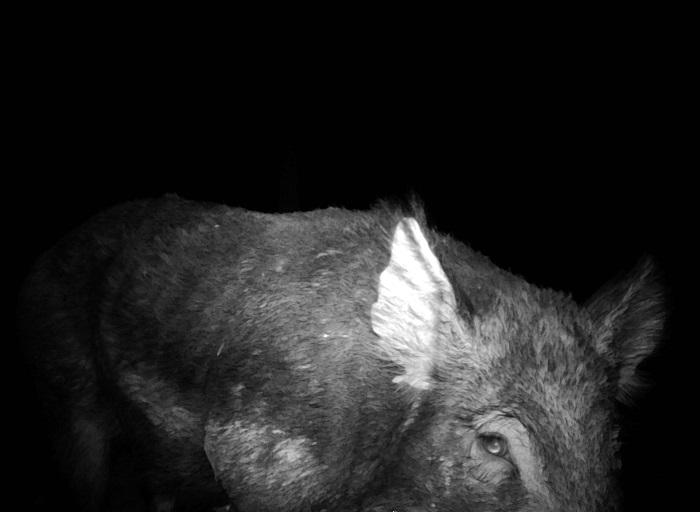
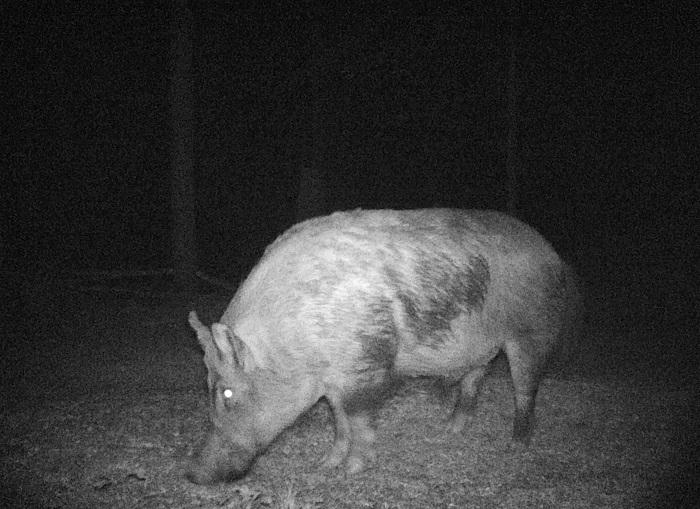
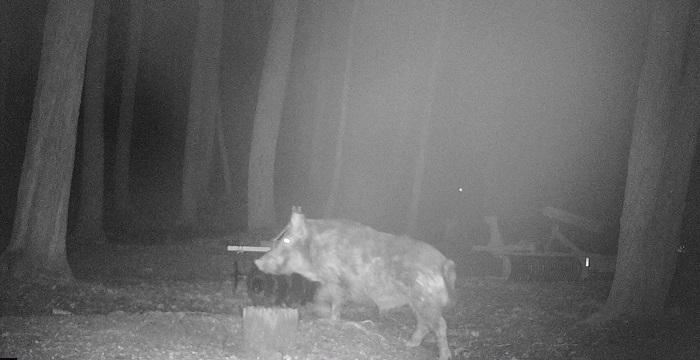
As if we didn't have enough homegrown hogs, now they're moving south from Canada! Where you see 8 you can bet there are a whole lot more.
Excerpt:
Excerpt:
https://www.dailyinterlake.com/local_news/20190908/feral_hogs_encroaching_on_montana-canada_border
Feral hogs encroaching on Montana-Canada border
September 08, 2019 at 5:00 am | By KIANNA GARDNER Daily Inter Lake
Looming among our neighbors to the north is an invasive species Montana experts say would cause extensive environmental degradation to the Big Sky state, should they ever successfully saunter across the border.
And they’re edging closer every year.
Large populations of feral hogs throughout Saskatchewan and Alberta have been slowly encroaching on the Montana-Canada border, placing wildlife experts, farmers and other stakeholders on edge.
Multiple reports have emerged of groups of feral hogs being spotted “very close” to the border. One of the most recent sightings occurred earlier this summer when eight mature pigs were discovered in Canada directly above Lincoln County. That’s according to John Steuber, the state director and a supervisory wildlife biologist for Wildlife Services, a program with the U.S. Department of Agriculture.
And officials with Wildlife Services, Montana Fish Wildlife and Parks, the National Feral Swine Program, the Montana Invasive Species Council and others share the same concerns about the pigs: it would be an invasive species the likes of which the state has never seen.
“Multiple people say that if we were to design an invasive species that would do the most widespread damage, feral swine aren’t too far off from being the perfect specimen,” said Dale Nolte, program manager for the National Feral Swine Program, which is operated by the United States Department of Agriculture. “It would be a disaster.”
Feral pigs are widely known as “rototillers.” They root around for their food and spend much of their time wallowing in landscapes from farms and open fields to forests and riparian areas, leaving the terrains unrecognizable. Aside from the damages left behind, they are elusive in nature and often become nocturnal when “hunted or pressured by human activity,” said Ryan Brook, a researcher and assistant professor at the University of Saskatchewan.
The pigs are also highly prolific.
Steuber said females birth around three litters every two years or so, and litters have been known to contain more than a dozen piglets. When grown, mature adults weigh on average between 120 and 250 pounds, but larger ones have tipped the scales at 400 pounds.
“They can decimate the range land by tearing up everything,” said Tahnee Szymanski, an assistant veterinarian with the Montana Department of Livestock.
While extensive damage to lands is a major potential problem, Szymanski said the diseases the pigs have been known to carry are of equal concern. She points to two primary diseases that could have sizable impacts on domestic livestock and other animals in the wilderness: African swine fever and foot-and-mouth disease.