

You are using an out of date browser. It may not display this or other websites correctly.
You should upgrade or use an alternative browser.
You should upgrade or use an alternative browser.
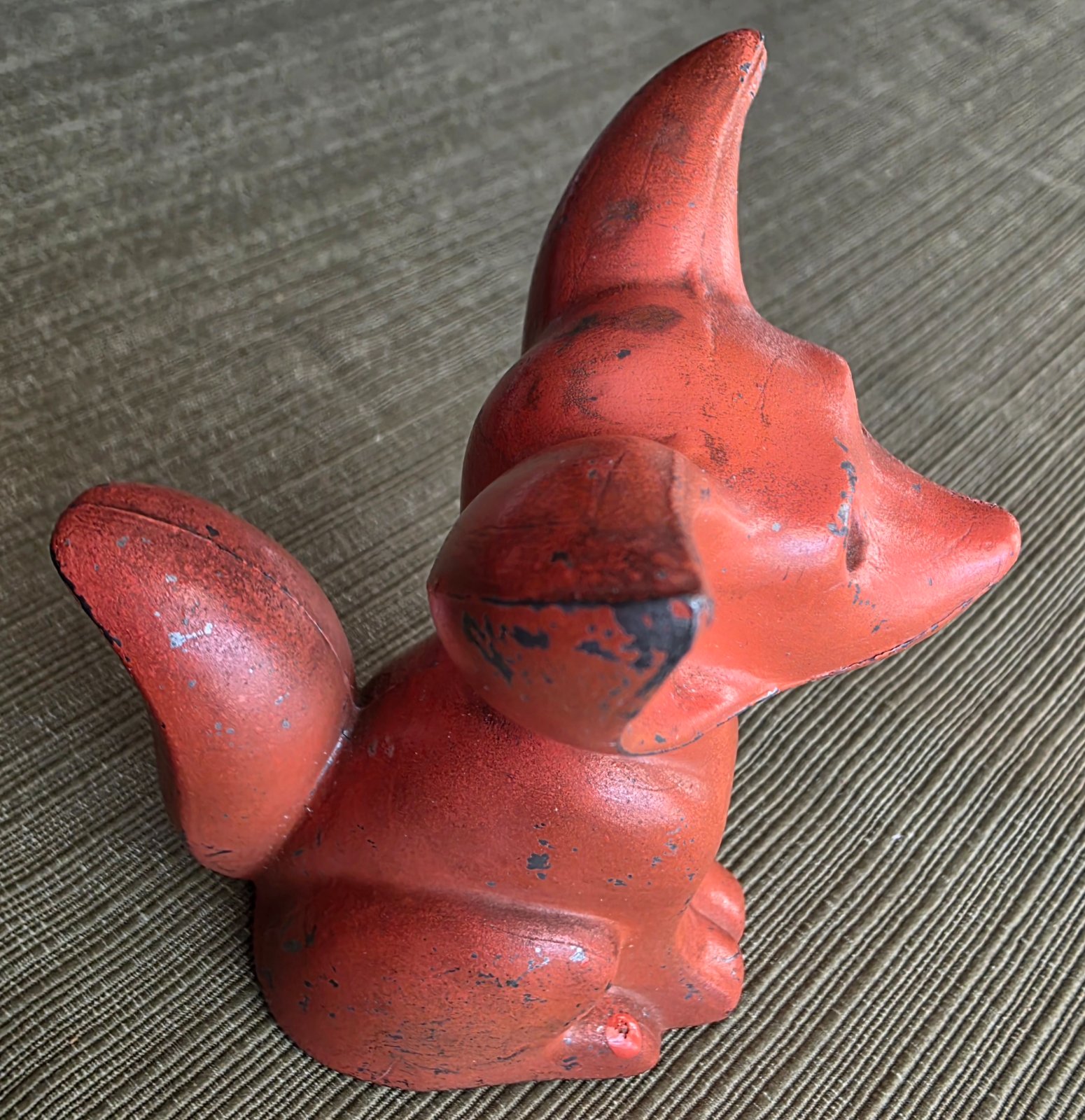
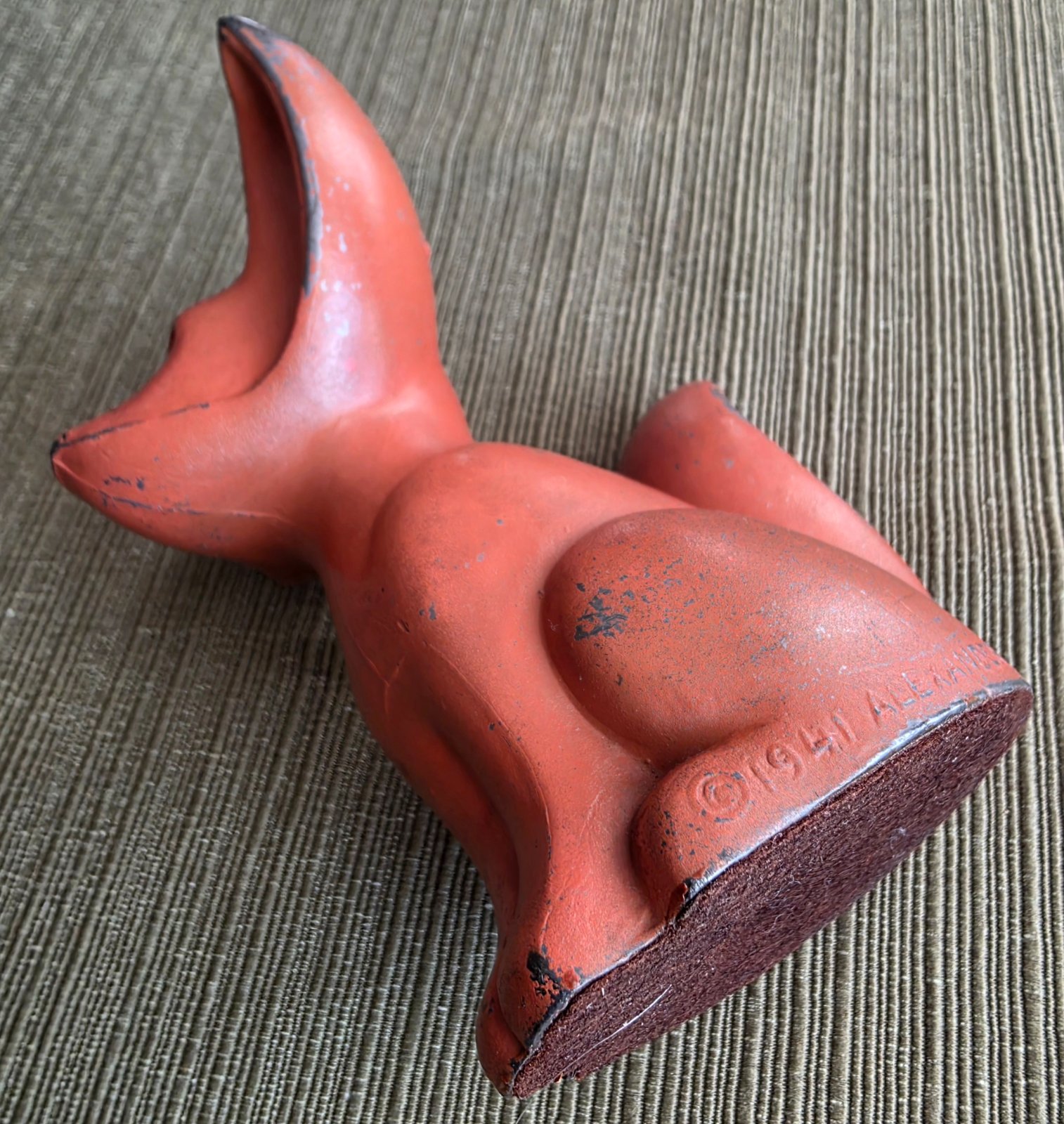
Another Fox arrived today
- Thread starter RPM Enterprises
- Start date



OP
RPM Enterprises
Buckeye
Krw, I have 8 of the metal foxes and the original plaster sculpture. Not sure how many made but I know of at least 6 others out there in other collections.

Another addition to THAT litter is impressive.
I feel lucky to have one,, and it took a long time to find it.
Radical Rod has one also,, we have not tried to mate them,,,yet.

Terry
I feel lucky to have one,, and it took a long time to find it.
Radical Rod has one also,, we have not tried to mate them,,,yet.
Terry
OP
RPM Enterprises
Buckeye
Terry I think at one time a stray showed up at Rodneys and matted with his. I think he ended up with about 5 inbreads that are out there now. LOL.

contender
Ruger Guru
Rick,, when I tell Miss Penny you got another one,, she is gonna cuss you,,,,,,, HARD. She just wants one of them.
contender
Ruger Guru
Well, I was right!!!!!!!! Are your ears burning??
OP
RPM Enterprises
Buckeye
No. Ty why would they be burning
OP
RPM Enterprises
Buckeye
Nope. She is a long ways away lol.

Sturm was an Artist, Author and Sculptor,, he created the cast iron Fox to go along with the book. Very Rare!!
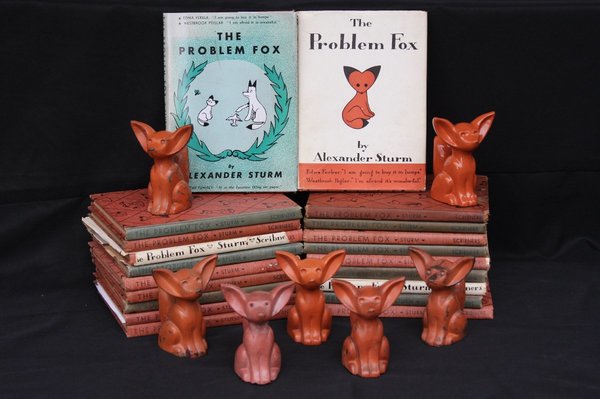
Ricks collection minus one, plus the original mold.
Terry
Ricks collection minus one, plus the original mold.
Terry
Thank you!Sturm was an Artist, Author and Sculptor,, he created the cast iron Fox to go along with the book. Very Rare!!
View attachment 86395
Ricks collection minus one, plus the original mold.
Terry
contender
Ruger Guru
Rick,, with what I heard last night,, you should have had burnt ears from what she said when I told her you got another Fox.
OP
RPM Enterprises
Buckeye
Oh, she was thinking about me before you told her about the new one. I feel so special she talks about me all the time. Well depends how bad and how good of a hubby you are we could possibly trade a fox for that time thing you got awhile back. I'm trying to be a little discreet about the time thing. Lol
and here I thought they were "Yoda' figurines and gave them all to Goodwill..
contender
Ruger Guru
LOL,, swapping a fox for a little time thingy. HA!!!
She just wants you to sell her ONE of them. (Or help her find one.!)
When I read your 1st post,, I knew she'd cuss a bit when I told her you got another one. After I posted my first response,, I got up & said to her; "Guess what Rick has gotten?" She replied; "What has that !***#*# gotten now?" I said "Fox #8"
Ohhh the language that followed wasn't lady like. And she's not a big cusser!


She just wants you to sell her ONE of them. (Or help her find one.!)
When I read your 1st post,, I knew she'd cuss a bit when I told her you got another one. After I posted my first response,, I got up & said to her; "Guess what Rick has gotten?" She replied; "What has that !***#*# gotten now?" I said "Fox #8"
Ohhh the language that followed wasn't lady like. And she's not a big cusser!
OP
RPM Enterprises
Buckeye
Ty, I already knew the answer but didn't hurt to ask. Well tell her I paid big for this one. Close to the most I've paid for one. I'm always on the lookout for them puppies tell her keep her hopes up I may have a change of heart. Give Miss Penny my best. Until then happy fox hunting
Great find Rick
SL
SL
contender
Ruger Guru
Thanks Rick!
Penny says you had better have one set aside in your will for her in the unlikely event of your passing. She's NOT,, repeat NOT wishing for anything to happen to you,, but she HATES the idea of them getting "gone" & not getting one! (And we all have seen some our friends collections of good stuff just disappear.)
Having just lost our DIL,, we are NOT wanting anybody else to pass away on us.
Penny says you had better have one set aside in your will for her in the unlikely event of your passing. She's NOT,, repeat NOT wishing for anything to happen to you,, but she HATES the idea of them getting "gone" & not getting one! (And we all have seen some our friends collections of good stuff just disappear.)
Having just lost our DIL,, we are NOT wanting anybody else to pass away on us.

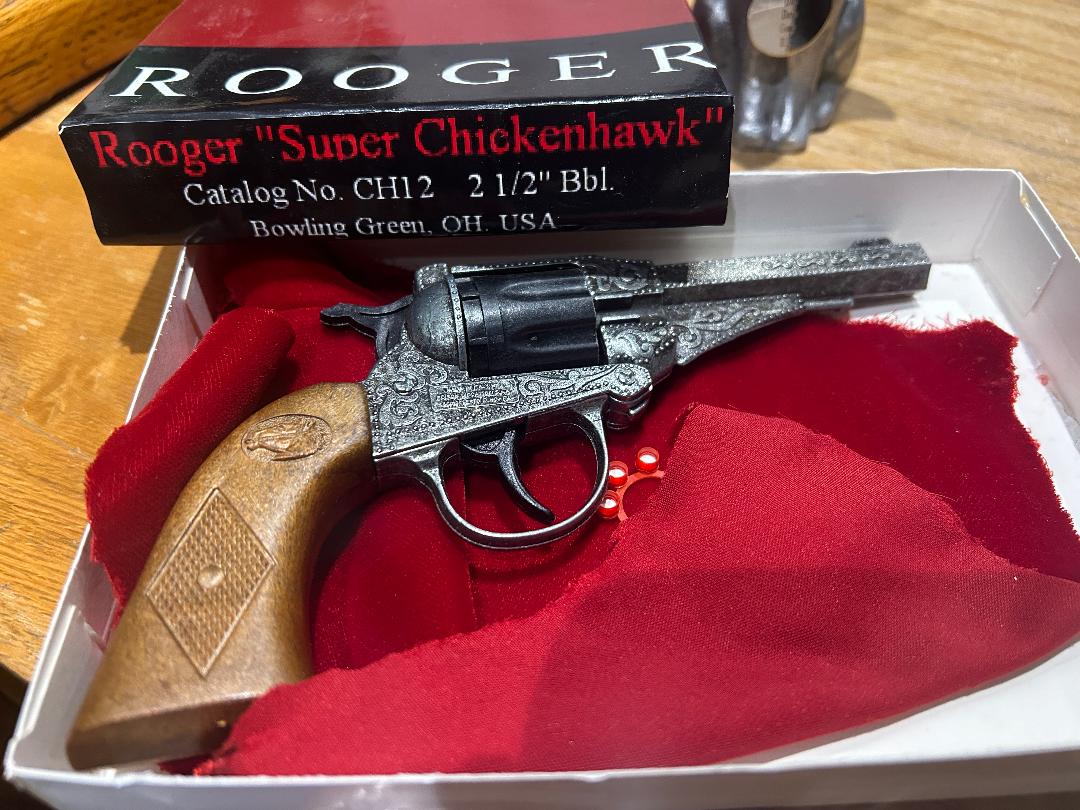
Yes, that happened many years ago. And the Fox came with the Hawk.Terry I think at one time a stray showed up at Rodneys and matted with his. I think he ended up with about 5 inbreads that are out there now. LOL.

Last edited:
I am ashamed to say I forgot about the Great Fox Hoax, as well as his Chicken Hawk caper!!
Can never say Rod does not have a sharp sense of humor.
Thanks for posting the picture JussBad.
Terry
Can never say Rod does not have a sharp sense of humor.
Thanks for posting the picture JussBad.
Terry
OP
RPM Enterprises
Buckeye
Terry funny about Rodneys inbread fox. Bad genetics , nose looks kinda funny and look how cockeyed it is. Lol I think Rod had 5 done before the mold broke. Those were the good Ole days.
These are so cool.
contender
Ruger Guru
Those pics of Rod's stuff brings back memories,, GOOD ones too!
Here is a little read for those unaware of the story behind these Fox
The Problems of a Problem Fox
THE PROBLEM FOX.
Pictures, with text, by Alexander Sturm. New York:
Charles Scribner's Sons. $1.25.
THE PROBLEM fox. Pictures, with text, by Alexander Sturm. New York: Charles Scribner's Sons. $1.25. HE problem fox was the child -the seventh, at that of a distinguished family, and his name was of all things!—August. But he simply had no character at all. He was not proud like one brother nor aggressive like another, nor even plumb lazy like some of the rest. And far from dying heroically at bay before the hounds on the Court House steps (after a forty-two-mile chase) like his grandfather or eluding 127 hunts like Uncle Ezra, he fainted from fright when his first hunt caught up with him, to be disdained, of course, by every self-respecting hound.
Even though he had been taught what a trap was (but he never had been able to concentrate) he walked with unthinking hunger right into one. And then, being caught by scientists, August was educated. The youth, career, love life and star-crowned success of the problem fox are related in Alexander Sturm's pictures, with a few words whose disarming directness adds its quota to the fun. And the fun is of that unique and indescribable kind which sends the reviewer, gasping with glorious mirth, rebounding weakly upon such words as "marvelous." When you come right down to it, and think hard, and study (well, that is to say, unrestrainedly enjoy) this little masterpiece again and again and again, “marvelous" is exactly the right word. Such inspired "artlessness, such guileless profundity, such innocent netting of life's complexity and pretentiousness and unconquerable perversity—what but marvel, in apparently quite simple drawings, could achieve that?
August, like many a worthier specimen of creation's grandeurs, Reached the Top Through Education. After he had been studied (tail drooping in disconsolate characterlessness) under the microscope, he was given his first lesson, "You are a fox." And almost immediately his triumphs began: he "never made one mistake twice in the food maze"; he was photographed in well-bred complacency as he distinguished between a tulip and a foxglove; a book was written about him after he learned to spell. Then he met the beautiful platinum fox who, fortunately, had a real liking for things of the intellect. Will their children, one wonders (looking at the characterful-appearing offspring of the Fox's Augustus family on their estate at the zoo), will one among the children have the good fortune to develop no character at all? I do not know whether this priceless treasure of a book is addressed to children or grown-ups (though I can imagine no one of any age who would not quickly know it by heart, in high delight). I do not know whether it will be more popular than "Ferdinand" (though I think it is both funnier and more widely suggestive, and even better, so, than that lovely tale). I do not know just how profound its roguish and irresistible simplicities may be. It is here; and I ask nothing more. It is, you see, marvelous. K. W.

The Problems of a Problem Fox
THE PROBLEM FOX.
Pictures, with text, by Alexander Sturm. New York:
Charles Scribner's Sons. $1.25.
THE PROBLEM fox. Pictures, with text, by Alexander Sturm. New York: Charles Scribner's Sons. $1.25. HE problem fox was the child -the seventh, at that of a distinguished family, and his name was of all things!—August. But he simply had no character at all. He was not proud like one brother nor aggressive like another, nor even plumb lazy like some of the rest. And far from dying heroically at bay before the hounds on the Court House steps (after a forty-two-mile chase) like his grandfather or eluding 127 hunts like Uncle Ezra, he fainted from fright when his first hunt caught up with him, to be disdained, of course, by every self-respecting hound.
Even though he had been taught what a trap was (but he never had been able to concentrate) he walked with unthinking hunger right into one. And then, being caught by scientists, August was educated. The youth, career, love life and star-crowned success of the problem fox are related in Alexander Sturm's pictures, with a few words whose disarming directness adds its quota to the fun. And the fun is of that unique and indescribable kind which sends the reviewer, gasping with glorious mirth, rebounding weakly upon such words as "marvelous." When you come right down to it, and think hard, and study (well, that is to say, unrestrainedly enjoy) this little masterpiece again and again and again, “marvelous" is exactly the right word. Such inspired "artlessness, such guileless profundity, such innocent netting of life's complexity and pretentiousness and unconquerable perversity—what but marvel, in apparently quite simple drawings, could achieve that?
August, like many a worthier specimen of creation's grandeurs, Reached the Top Through Education. After he had been studied (tail drooping in disconsolate characterlessness) under the microscope, he was given his first lesson, "You are a fox." And almost immediately his triumphs began: he "never made one mistake twice in the food maze"; he was photographed in well-bred complacency as he distinguished between a tulip and a foxglove; a book was written about him after he learned to spell. Then he met the beautiful platinum fox who, fortunately, had a real liking for things of the intellect. Will their children, one wonders (looking at the characterful-appearing offspring of the Fox's Augustus family on their estate at the zoo), will one among the children have the good fortune to develop no character at all? I do not know whether this priceless treasure of a book is addressed to children or grown-ups (though I can imagine no one of any age who would not quickly know it by heart, in high delight). I do not know whether it will be more popular than "Ferdinand" (though I think it is both funnier and more widely suggestive, and even better, so, than that lovely tale). I do not know just how profound its roguish and irresistible simplicities may be. It is here; and I ask nothing more. It is, you see, marvelous. K. W.
Last edited:
contender
Ruger Guru
Great write-up Terry!
OP
RPM Enterprises
Buckeye
Terry, I've been finishing the article I've been working on. Just finishing some photos this morning. It's close to what you wrote I only did a small recap of the book. Also found some articles on Paulina Sturm. Couple pictures for the article.
Attachments
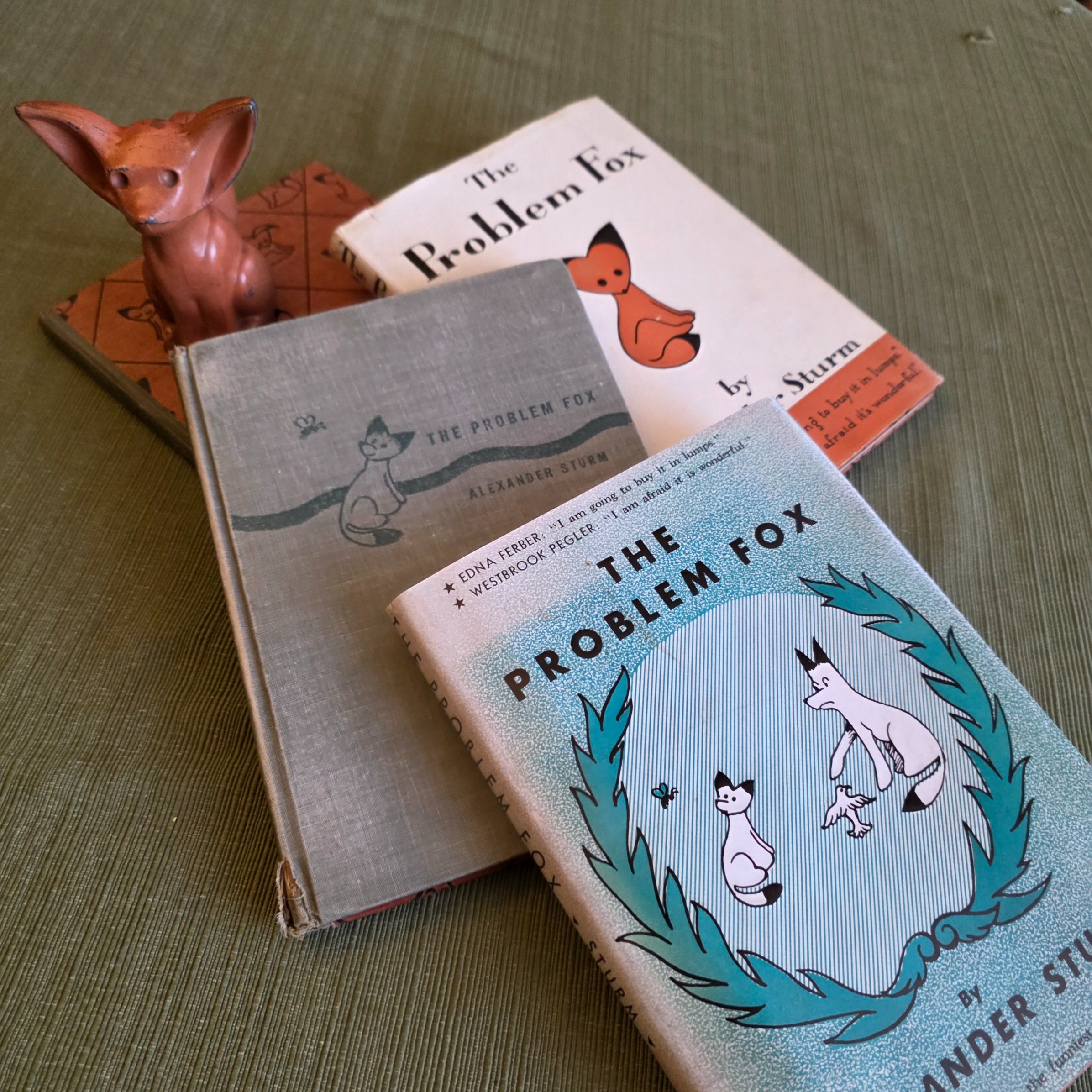
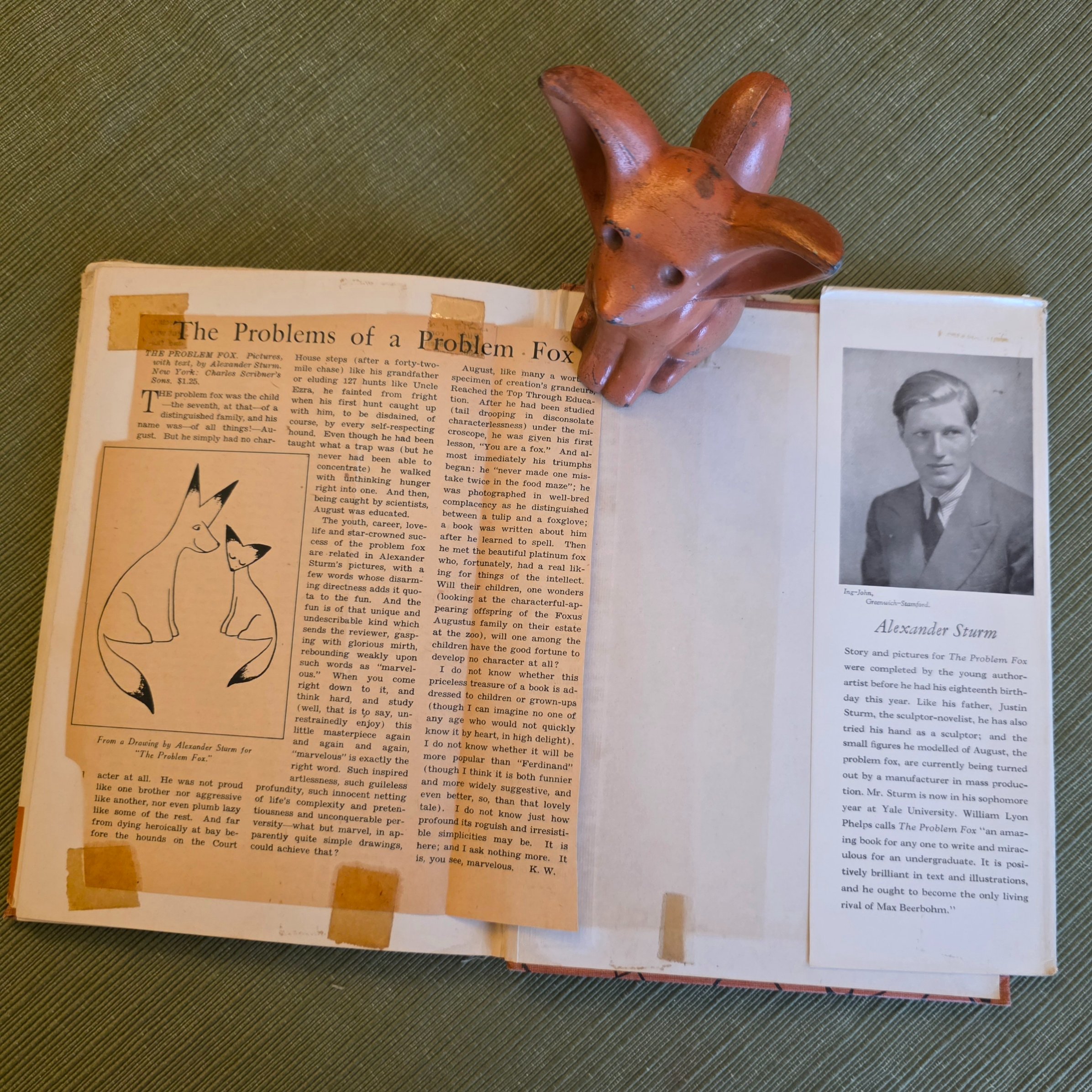

The "Rooger Super Chickenhawk" is as good as the trick I pulled with a "Salt Cod Pistol" at the ROCS banquet in Ohio several years ago.
My warped sense of humor prevailed that day and everyone had a great laugh including the guy I pulled it on.
My warped sense of humor prevailed that day and everyone had a great laugh including the guy I pulled it on.
Last edited:
Terry, I've been finishing the article I've been working on. Just finishing some photos this morning. It's close to what you wrote I only did a small recap of the book. Also found some articles on Paulina Sturm. Couple pictures for the article.
Can anyone tell us about the three different books shown? Like date of publication, etc? My first edition has the "white" cover shown, but the book itself is more of a red/brown color with a whole bunch of foxes scattered all over both front and back sides.

contender
Ruger Guru
There are different book covers,, like yours with the reddish/brown color & all the foxes.
Similar threads


- Replies
- 9
- Views
- 457


