True,but I'm more likely to have my camera ready and turned on. And my phone takes a minute or more to come on when I turn it on.Cell phones have come a long way. Just a quick photo when out in the woods for example.
![]()
![]()
Well, I have my 'phone wwith me in my shirt pocket but it is turned off. When I fish it out and turn it on, by the time the 'phone is ready, the opportunity has left the scene. My cell 'phone is primarily for emergency use only. Very few people have my cell 'phone number, so it stays stashed away.Sorry, but no way a dollar plastic 1/4" lens in a phone camera can match real glass multicoated optics on a DSLR.
There's an old saying among photographers... "The BEST camera in the world is the one you have on you when you need it", and that is where the phone camera cannot be beat.
Yep, I think it had to do with the size of the sensor.... but then they fixed that but by that time they had redone all the lenses.. and then now the DSLR is old school it seems and everything is going to the mirrorless cameras.... for those that don't understand... for years the pro camera was a 35mm SLR which stood for Single Lens Reflex... you looked through the view finder of the camera and through a mirror the lens ... and the lens you could change out in a few seconds.... when you tripped the shutter the lends flipped up just before the shutter opened... the mechanics of this were pretty amazing if you think about it when you are using a 1-2,000 of a second shutter speed. Digital SLR's were the same just with no film but were limited to the sensor that captured the picture behind the 'shutter'. Good professional cameras can do everything the old film cameras could do... manipulate the f-stops and shutter speed and actual 'film speed' as well as so much more I've never been able to figure it out. My semi-pro DSLR, a Nikon D7100, is now old school and it came with a 400 page instruction book.Back when DSLR's came into existence a very funny thing happened. None of the existing lenses for SLR cameras would work. Seems the was they placed the sensor resulted in the new DSLR's having a different focal length.
Now tell me, if you are starting from scratch to design a camera using me technology, how hard could it be to have the same focal length?
On my early Canon DSLR I tried various adapters to use my expensive SLR lenses. Results were crappy and use was clunky to say the least.
Careful scratching your nose with tongs in rubber gloves...The pictures a phone can take now are pretty dern amazing.... I pulled out my Nikon DSLR just the other day and am planning to try and start back at photography as a hobby... but probably won't since the aftermath of Helene will take up any free time. The problem with real Nikons is only big corporations and rich folks can afford the real lenses for these cameras.... consumer grade lens are okay and cost about the same as a good handgun.... 500-1000 dollars... but the commercial ones run in the range of 5-10...... or more.
Also, the reality is even these megapixel pictures don't match up to good old Kodachrome. But at least you don't have to be in a dark room dipping your fingers in some evil chemicals to try and manipulate the picture.
Planned obsolescence, and prolly a corporate directive explicitely against using anybodys old lenses. Gave them as much of a slow start as their prices.Back when DSLR's came into existence a very funny thing happened. None of the existing lenses for SLR cameras would work. Seems the was they placed the sensor resulted in the new DSLR's having a different focal length.
Now tell me, if you are starting from scratch to design a camera using me technology, how hard could it be to have the same focal length?
On my early Canon DSLR I tried various adapters to use my expensive SLR lenses. Results were crappy and use was clunky to say the least.
SLR tech is over 150 years old, interchangeable lens sets predate ww1, pentaprism just after ww2. I had a fun lil prewar exacta which i gave a niece who, like her father, prefers to have an old film camera to mess about with.Yep, I think it had to do with the size of the sensor.... but then they fixed that but by that time they had redone all the lenses.. and then now the DSLR is old school it seems and everything is going to the mirrorless cameras.... for those that don't understand... for years the pro camera was a 35mm SLR which stood for Single Lens Reflex... you looked through the view finder of the camera and through a mirror the lens ... and the lens you could change out in a few seconds.... when you tripped the shutter the lends flipped up just before the shutter opened... the mechanics of this were pretty amazing if you think about it when you are using a 1-2,000 of a second shutter speed. Digital SLR's were the same just with no film but were limited to the sensor that captured the picture behind the 'shutter'. Good professional cameras can do everything the old film cameras could do... manipulate the f-stops and shutter speed and actual 'film speed' as well as so much more I've never been able to figure it out. My semi-pro DSLR, a Nikon D7100, is now old school and it came with a 400 page instruction book.
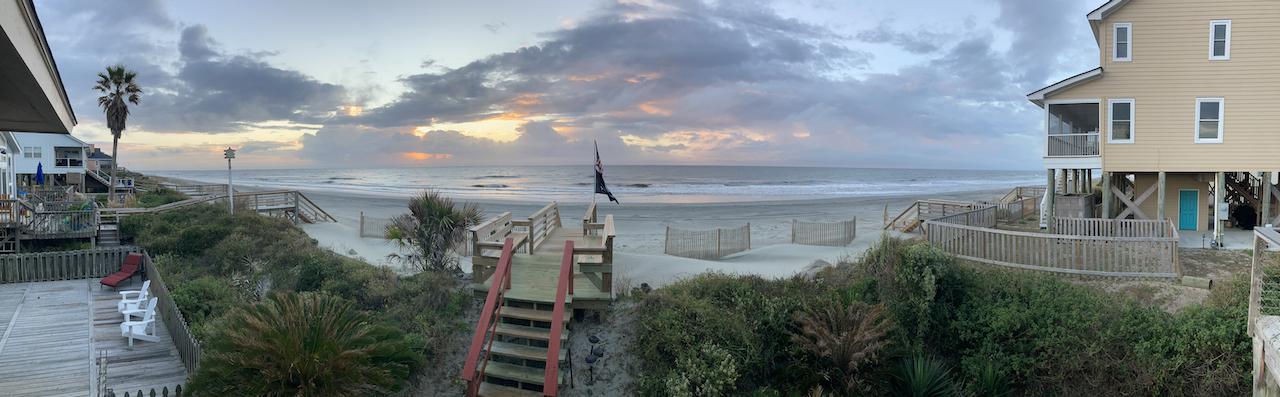
But then I have to say sometimes a smart phone is the way to go.... I was watching the sun rise this morning and had not only my two Nikon DSLRs out but my little Nikon cool pix I use for work and then decide to take this picture with my iPhone:
(I reduced the memory size of it down... when I started to export it I looked and the original was over 35 megabytes and this is with a little couple years old smart phone! )
View attachment 57305
I hear you, Bob, but with your fanbase, you need to keep that phone on so that you can get that incoming call from an adoring fan or someone wanting an interview. Heck, you may even get a call from Publisher's Clearing House telling you you've won the "big one."Well, I have my 'phone wwith me in my shirt pocket but it is turned off. When I fish it out and turn it on, by the time the 'phone is ready, the opportunity has left the scene. My cell 'phone is primarily for emergency use only. Very few people have my cell 'phone number, so it stays stashed away.
Bob Wright
Pentax still uses the same basic "K" mount on their DSLRs that they have been using since 1975. It has been updated many times but you can still use your old "K" "M" "A" "FA" etc lenses on the digital bodies. The only limitations are all the newer features don't work on the newer bodies with the older lenses. But, because the digital sensors are smaller than the 35mm film area the effective focal length increases by 50%. A 50mm lens covers the same area as a 75mm, my old "K" 135-600mm lens is now a 200-900mm lens but I have to manually set the focus and set the aperture and shutter speed.Back when DSLR's came into existence a very funny thing happened. None of the existing lenses for SLR cameras would work. Seems the was they placed the sensor resulted in the new DSLR's having a different focal length.
Now tell me, if you are starting from scratch to design a camera using me technology, how hard could it be to have the same focal length?
On my early Canon DSLR I tried various adapters to use my expensive SLR lenses. Results were crappy and use was clunky to say the least.
Such vast possibilities, yet with half-vast equipment.Pentax still uses the same basic "K" mount on their DSLRs that they have been using since 1975. It has been updated many times but you can still use your old "K" "M" "A" "FA" etc lenses on the digital bodies. The only limitations are all the newer features don't work on the newer bodies with the older lenses. But, because the digital sensors are smaller than the 35mm film area the effective focal length increases by 50%. A 50mm lens covers the same area as a 75mm, my old "K" 135-600mm lens is now a 200-900mm lens but I have to manually set the focus and set the aperture and shutter speed.
I am on my fourth Pentax DSLR and still using the same lenses.
I'm under the impression that most older Nikon lenses have the same backward compatibility but only to the limits of the old lenses. In my case I was a Canon shooter so I had to re-acquire my lens stash for my Nikon DSLR.Pentax still uses the same basic "K" mount on their DSLRs that they have been using since 1975. It has been updated many times but you can still use your old "K" "M" "A" "FA" etc lenses on the digital bodies. The only limitations are all the newer features don't work on the newer bodies with the older lenses. But, because the digital sensors are smaller than the 35mm film area the effective focal length increases by 50%. A 50mm lens covers the same area as a 75mm, my old "K" 135-600mm lens is now a 200-900mm lens but I have to manually set the focus and set the aperture and shutter speed.
I am on my fourth Pentax DSLR and still using the same lenses.