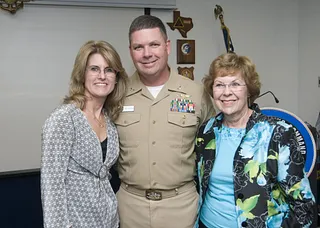
A Marine Aviators Job

Joined
Sep 1, 2003
Messages
8,265
City & State/Province
Richmond Texas USA
Hey guys,
We heard from our friend that flies the F-35 in the Marine Corp. He has been down South doing target practice on a few boats to pass the time. He informed us that he was in the first wave last Saturday.

To support the ground assault during the raid, U.S. stealth fighter jets, F-35s, quietly slipped past Venezuelan radar systems undetected, clearing the skies of any threats and giving American forces complete control of the air.


An OUTSTANDING Marine Aviator
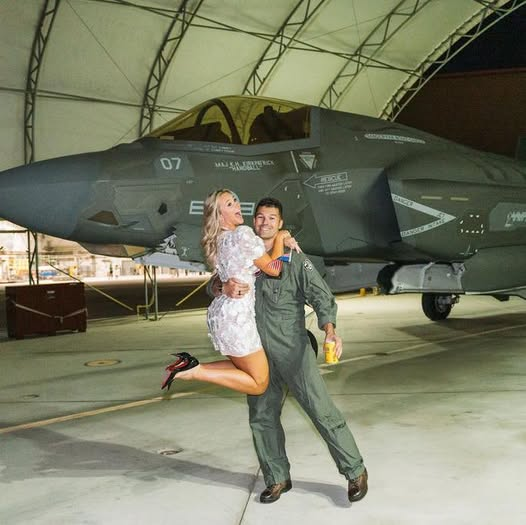
1767726658138.png


1767727653478.png
 
Last edited:
I wasn't a pilot, but when top gun came out us enlisted guys just bought flight jackets and told the girls a lot of lies. But more recently I found out us Cops get the hottest girls. We tend to meet cute nurses in emergency rooms. Kudos to the Marine though, that girl is a real looker!
 
As an Amazon Associate we earn from qualifying purchases. Product prices and availability are accurate as of the date/time indicated and are subject to change.
The Navy also had a part in the party :) :)
You can also bet that a Navy E2C Hawkeye was in the air also. No E2 no Strike Group.

Everyone’s been focused on the helicopters — especially the 160th Special Operations Aviation Regiment — and for good reason. The assault was spectacular.
But the real reason those helicopters flew into Venezuelan airspace without serious resistance wasn’t rotor blades or bravado. It was information dominance.
The quiet hero of the operation was the EA-18G Growler from the United States Navy.
As U.S. naval forces appeared off Venezuela’s coastline, Growlers began flying along the edges of Venezuelan airspace. The media, doing what it does best, dismissed this as “show of force” theater.
That was wrong.
Those flights were intelligence missions.
Growlers are purpose-built to detect, locate, and suppress enemy radar. Each pass wasn’t posturing — it was mapping. Where radar coverage was strongest. Where it was weakest. How systems reacted. What turned on. What stayed silent. What frequencies lit up.
Flight after flight, the Navy built a living map of Venezuela’s air-defense network. By the end of it, the U.S. likely understood that system better than the people operating it.
That’s how airspace gets opened without chaos.
You don’t need to smash every radar.
You just need to know which ones matter.
Once you know the weak links, a handful of precision actions can create a corridor wide enough for helicopters to pass through untouched.
By the time the operation kicked off, Venezuelan radar wasn’t just compromised — it was predictable. The Growlers had already done the hard work.
 
Hey guys,
We heard from our friend that flies the F-35 in the Marine Corp. He has been down South doing target practice on a few boats to pass the time. He informed us that he was in the first wave last Saturday.

To support the ground assault during the raid, U.S. stealth fighter jets, F-35s, quietly slipped past Venezuelan radar systems undetected, clearing the skies of any threats and giving American forces complete control of the air.


An OUTSTANDING Marine Aviator
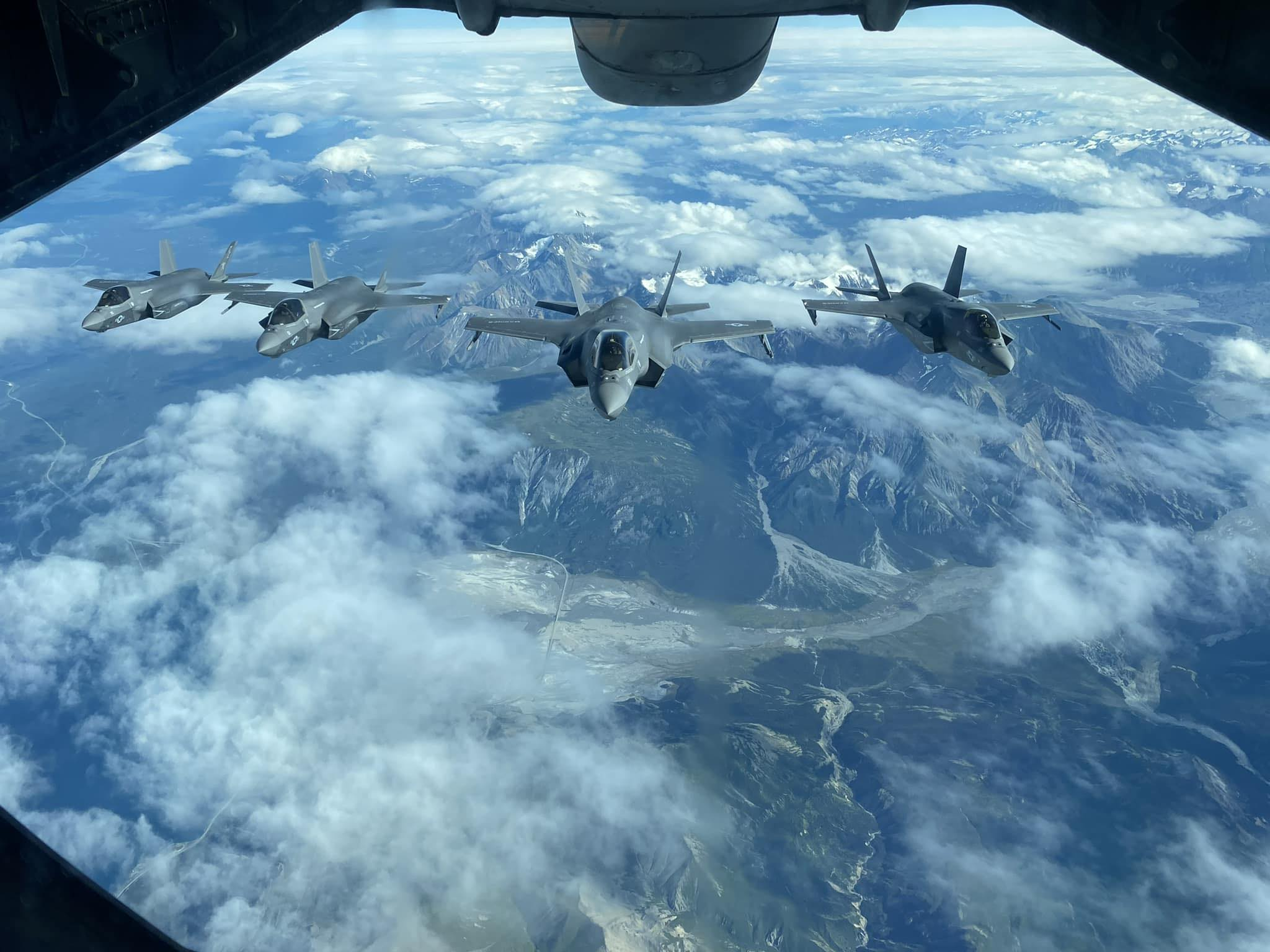
View attachment 91874


View attachment 91875
Fu Ken AV 8 R :LOL:😁
 
My son has beat into my brain never to post his picture. Why? Because ne'er-do-wells will take advantage of that intel and do bad things to the military member and/or his family. My son first learned this during his 6-year stent with the 160th SOAR. Even stationed at Fort Campbell, Clarksville's lefty locals frequently harassed the 160th guys and their families. This was particularly problematic whenever they were down-range.

So as proud as I am of my son's 23-and-counting years of service, I will never post his pictures until after he retires. [He's now a CW4 Blackhawk ME/MTP and stationed in a large English-is-first-language country north of the equator and somewhere between the Atlantic and Pacific oceans.]
 
Well, the Navy had his picture and Bio on their web site. I'm sure it still is.
Probably pretty obvious to the locals that he was military when he is walking around in uniform or a flight suite.
Also, when he was at air shows in uniform along with hundreds of military his picture was taken by many.
My son has beat into my brain never to post his picture. Why? Because ne'er-do-wells will take advantage of that intel and do bad things to the military member and/or his family. My son first learned this during his 6-year stent with the 160th SOAR. Even stationed at Fort Campbell, Clarksville's lefty locals frequently harassed the 160th guys and their families. This was particularly problematic whenever they were down-range.

So as proud as I am of my son's 23-and-counting years of service, I will never post his pictures until after he retires. [He's now a CW4 Blackhawk ME/MTP and stationed in a large English-is-first-language country north of the equator and somewhere between the Atlantic and Pacific oceans.]
 
Branch doesn't matter. Pilots in general, fighter pilots in particular with helicopters pilots coming in a close second.
Then of course, these days the make pilots have to compete with some of the female pilots for honeys.
But the hottest ladies still love firemen.

I know you meant Policemen.

Auto -correct messed it up for you….


IMG_7951.jpeg
 
The Navy also had a part in the party :) :)
You can also bet that a Navy E2C Hawkeye was in the air also. No E2 no Strike Group.

Everyone’s been focused on the helicopters — especially the 160th Special Operations Aviation Regiment — and for good reason. The assault was spectacular.
But the real reason those helicopters flew into Venezuelan airspace without serious resistance wasn’t rotor blades or bravado. It was information dominance.
The quiet hero of the operation was the EA-18G Growler from the United States Navy.
As U.S. naval forces appeared off Venezuela’s coastline, Growlers began flying along the edges of Venezuelan airspace. The media, doing what it does best, dismissed this as “show of force” theater.
That was wrong.
Those flights were intelligence missions.
Growlers are purpose-built to detect, locate, and suppress enemy radar. Each pass wasn’t posturing — it was mapping. Where radar coverage was strongest. Where it was weakest. How systems reacted. What turned on. What stayed silent. What frequencies lit up.
Flight after flight, the Navy built a living map of Venezuela’s air-defense network. By the end of it, the U.S. likely understood that system better than the people operating it.
That’s how airspace gets opened without chaos.
You don’t need to smash every radar.
You just need to know which ones matter.
Once you know the weak links, a handful of precision actions can create a corridor wide enough for helicopters to pass through untouched.
By the time the operation kicked off, Venezuelan radar wasn’t just compromised — it was predictable. The Growlers had already done the hard work.
Some people brag too much. Some people compromise tactics, strategy, sources & methods. Glad you didn't talk about the power failures. SMH.
 
Now that right there is funny I don't care who you are.

So classified it came right of the internet. A couple of weeks ago the media stated that F-18s were flying back and forth along the coast of Venezuela GEEEEEEEEE

Sorrrrrrrrrry I have to go get my tin foil hat SEEEEEEEEE Ya
 
The Navy also had a part in the party :) :)
You can also bet that a Navy E2C Hawkeye was in the air also. No E2 no Strike Group.

Everyone’s been focused on the helicopters — especially the 160th Special Operations Aviation Regiment — and for good reason. The assault was spectacular.
But the real reason those helicopters flew into Venezuelan airspace without serious resistance wasn’t rotor blades or bravado. It was information dominance.
The quiet hero of the operation was the EA-18G Growler from the United States Navy.
As U.S. naval forces appeared off Venezuela’s coastline, Growlers began flying along the edges of Venezuelan airspace. The media, doing what it does best, dismissed this as “show of force” theater.
That was wrong.
Those flights were intelligence missions.
Growlers are purpose-built to detect, locate, and suppress enemy radar. Each pass wasn’t posturing — it was mapping. Where radar coverage was strongest. Where it was weakest. How systems reacted. What turned on. What stayed silent. What frequencies lit up.
Flight after flight, the Navy built a living map of Venezuela’s air-defense network. By the end of it, the U.S. likely understood that system better than the people operating it.
That’s how airspace gets opened without chaos.
You don’t need to smash every radar.
You just need to know which ones matter.
Once you know the weak links, a handful of precision actions can create a corridor wide enough for helicopters to pass through untouched.
By the time the operation kicked off, Venezuelan radar wasn’t just compromised — it was predictable. The Growlers had already done the hard work.
I flew its ’Grandfather’ — the EF-111. Glad the -G made good. I had my doubts because we had a ton of juice and 10 transmitters with steerable antennas and I just didn’t see a way to place the same degree of trons out of an F-18. But apparently someone found a way.

The EW/EA world doesn’t live in isolation and there are many other ELINT platforms to help feed information. So it’s a team effort. Including the harm shooters when they employ.

Given the amount and type of supposed equipment sold to Venezuela I’m really happy we were able to defeat their IADS. Then again the effectiveness of the equipment depends also on the skill of the operators and how they’ve maintained it. Not sure Venezuela and/or any advisors sent to run and maintain the stuff was of top shelf quality.

I’m also grateful to see — whatever they used —that the jamming world wasn’t totally forsaken when they retired the EF decades ago.
 

Latest posts

Back
Top