Ruger Finishes

Joined
Feb 22, 2025
Messages
100
City & State/Province
West
After a recent post about a certain pistol finish, I’m curious how many different finishes are there?
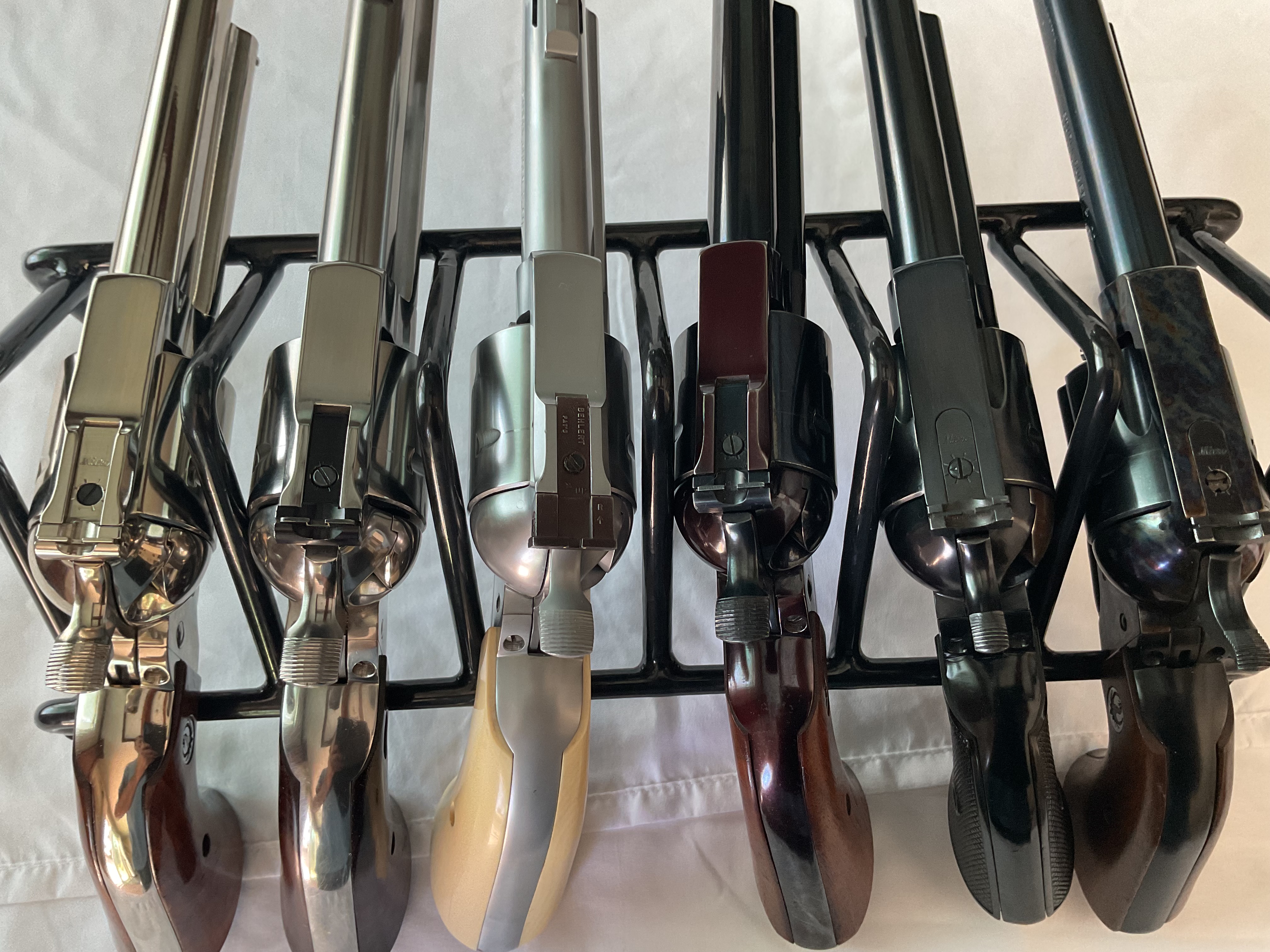
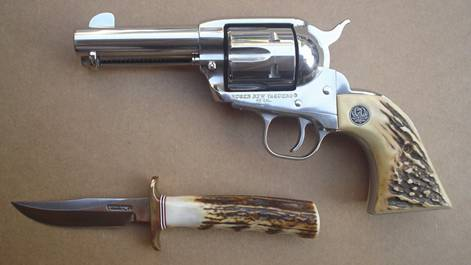
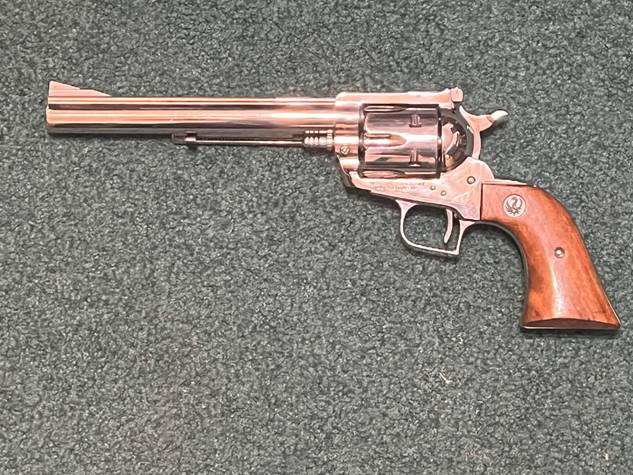
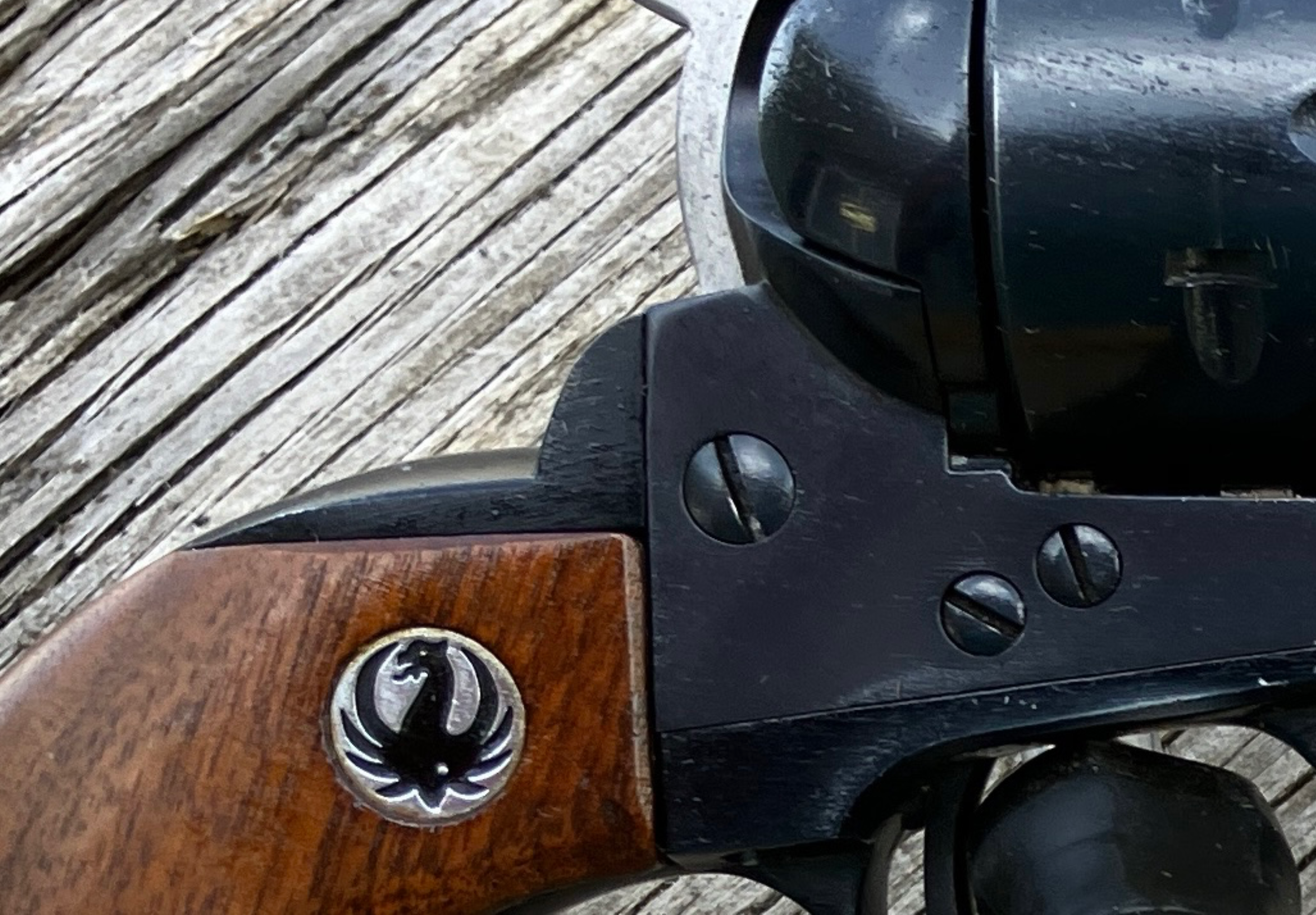
Some people seem divided? I like to see variations, so I found a few 44’s that all have different finishes.
From the old model to new model.
I’m wondering if there are others that have different finishes that makes it unique?
After reading old posts about ‘plum and strikes’ How do you not want those!
What were or are the finishes Ruger offered?
Blued, Hi Gloss Blued, SS, Nickel?
IMG_1970.jpeg
IMG_1964.jpeg
IMG_1972.jpeg
IMG_1975.jpeg
IMG_1964.jpeg
IMG_1974.jpeg
 
The argument comes from interpretation I believe.
To me for example, blued is one finish regardless if it’s regular or high polish.
Same with stainless whether it be brushed or polished.
But ….. whatever they call the finish on things like Wrangler and LCR etc are another thing, or two.
 
The argument comes from interpretation I believe.
To me for example, blued is one finish regardless if it’s regular or high polish.
Same with stainless whether it be brushed or polished.
But ….. whatever they call the finish on things like Wrangler and LCR etc are another thing, or two.
What is considered a High polished Cased?
This would be a any old model that is classified as High polished, grip, frame, trigger, hammer?
 
Last edited:
high polished and cased are two different finishes...........
and like 'hittman' points out , just variations of the basic whether blued, or stainless, and the blued ones are often plated, they also are the base metal of the guns build, as stainless is a material, and blued steel may be an alloy, like 4140 chrome -moly or a casting of an alloy , or poured carbon steel, or rolled, and on and on and I am NOT a metallurgist,,,,,,,,,and then you get into abrasives, polishes , buffers , and many for each of the materials I mentioned above.........I been polishing, prepping and finishing most all of these since the 1960s, and shut the last shop down around 1990........did a lot of hand work since then but on a limited basis when in "need".........no more:cool::rolleyes:;)
 
I know at one point Ruger changed their bluing process... probably to make it more "ecologically friendly". Blued guns into at least the 1970's had a gray charcoal color. After they changed the process it went to a black color.
Chet15
 
I pick a finish based on two things;
1. how good it looks, and
2. how easy it is to keep up.

If the gun is just a collectible, #2 doesn't matter.

For a shooter a decent factory blue gloss or satin with no alloy parts, (with or without Color case hardening) over a proper metal preparation is fine and can be touched up. I've even cleaned up small areas of machine marks left in the metal surface by the factory and touched them up with bluing. The advantage of a working gun.

I don't like any plated or coated surfaces. Once you get a crack, scratch, peel, etc. There's no repair, only redoing it. Brushed finishes are just as bad, collect scratches, and hard to match brushed finishes.

Bright polish is the only other finish I like. Either stainless or carbon steel. Any mark, scratch stain can be repolished easily and look like new.

A full factory stainless polish. Actually a new gun that I put a final polish to remove a few waves and underlying machine marks.
1784674830103.png


A carbon steel full polish.
1784675364375.png


Or a combination.
1784675287428.png
 
Interesting when you say charcoal color, a few have such evidence of a difference, mostly from different models?
I maybe off a revision or few of RENE, who would have done the barrel work and finish on that 44 SBH.
Is it considered a flute barrel? It is nothing like the other 44 3 screws.
Im pretty sure any thing done on these was done prior to 1980.
Would there be some that would come to mind?
Packmeyer did a lot of the rifles.
 

Attachments

  • IMG_1960.jpeg
    IMG_1960.jpeg
    2.5 MB
I pick a finish based on two things;
1. how good it looks, and
2. how easy it is to keep up.

If the gun is just a collectible, #2 doesn't matter.

For a shooter a decent factory blue gloss or satin with no alloy parts, (with or without Color case hardening) over a proper metal preparation is fine and can be touched up. I've even cleaned up small areas of machine marks left in the metal surface by the factory and touched them up with bluing. The advantage of a working gun.

I don't like any plated or coated surfaces. Once you get a crack, scratch, peel, etc. There's no repair, only redoing it. Brushed finishes are just as bad, collect scratches, and hard to match brushed finishes.

Bright polish is the only other finish I like. Either stainless or carbon steel. Any mark, scratch stain can be repolished easily and look like new.

A full factory stainless polish. Actually a new gun that I put a final polish to remove a few waves and underlying machine marks.
View attachment 109663

A carbon steel full polish.
View attachment 109666

Or a combination.
View attachment 109665
I’m curious when you say scratch, Peeling and you can touch it up. I’m thinking the job wasn’t done right or it has been used beyond a shooter.
I’ve had people here try to sell me 98+% excellent that all the touch up they did was horrible.
 

Attachments

  • IMG_1393.png
    IMG_1393.png
    4.4 MB
  • IMG_1392.png
    IMG_1392.png
    4.9 MB
Peeling can just happen like the mouth of chambers on the front cyl face and edge of muzzle. Yeah poor plating which is much more prevalent than good plating. Peeling plating like nickel is beyond fixing. Has to be stripped and re-plated.

Those photos have severe scratches over large areas, especially the cylinder and loading gate, which is beyond touch up. If the gun was refinished/reblued, it had poor surface prep! Although I've seen new guns with poor surface prep in some spots almost that bad.
Is that a new gun or refinished?
 
Last edited:

Latest posts

Back
Top